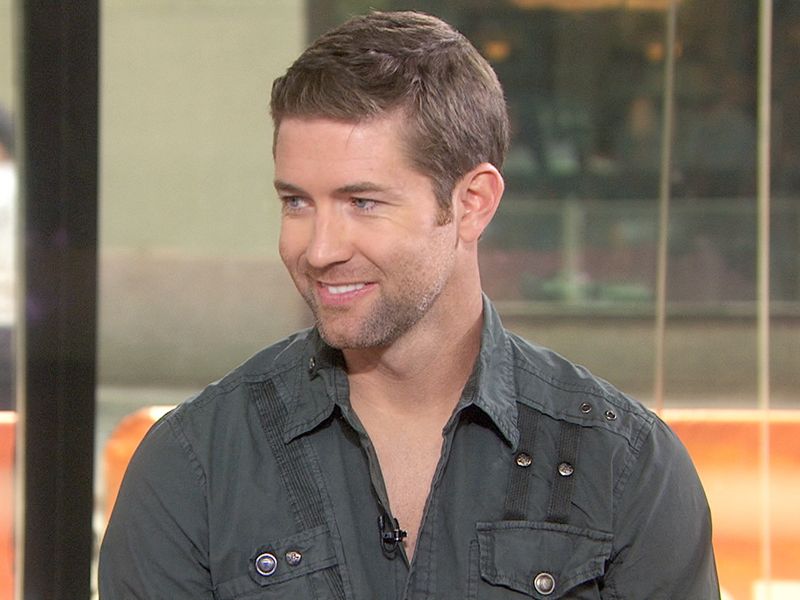
“Trailerhood” is Josh Turner turning a modest front yard into a kingdom—where pride isn’t loud, it’s lived, and “home” is measured in memories, not mortgages.
There are songs that chase the bright lights, and then there are songs that switch them off—just long enough for you to see what was always there. “Trailerhood” belongs to that second kind. It wasn’t released as a radio single, so it never arrived with a neat chart “debut position” of its own. Instead, it sits on Josh Turner’s third studio album, Everything Is Fine (released October 30, 2007, on MCA Nashville), like a handwritten note tucked inside a polished record sleeve.
That album, of course, did arrive with unmistakable numbers: it debuted at No. 5 on the Billboard 200 and No. 3 on Top Country Albums, with hit singles like “Firecracker” leading the charge. But “Trailerhood” isn’t the part of the story where Turner tries to impress you. It’s the part where he tells you who he is when the applause is over—track 5 on the album, placed right in the early run, as if he wanted the listener to understand the “place” before traveling any farther.
The songwriting credits matter here because they point to why the song feels so grounded. “Trailerhood” is credited to Josh Turner, Shawn Camp, and Pat McLaughlin—three writers who know how to make a lyric sound like someone talking across a fence at dusk, not delivering a speech. And it was produced by Frank Rogers, whose touch on Everything Is Fine tends to keep Turner’s voice front and center—steady, low, and familiar, like a trusted radio host who never rushes the important parts.
Now let me tell you what “Trailerhood” feels like, the way a late-night radio storyteller might—when the road is empty, the dashboard is glowing, and you’re thinking about the first place you ever called yours.
This song is a gentle refusal to be ashamed. Not angry. Not defensive. Just quietly sure of itself. It’s the sound of someone who has heard the jokes, seen the raised eyebrows, felt the subtle judgments that come with a certain kind of address—and decided that none of it gets to define him. Because the truth is, a trailer can hold the same things any house holds: family voices in the next room, a radio playing too loud on a Saturday, the smell of supper lingering in the curtains, the kind of laughter that happens when you don’t have much but you still have each other.
That’s the deeper meaning of “Trailerhood.” It isn’t merely a celebration of a lifestyle; it’s a defense of dignity—the kind you build out of routine, responsibility, and the stubborn decision to find joy where you stand. Turner sings it with a warmth that suggests he’s not selling an image; he’s remembering a world. And if you’ve ever loved a place that outsiders dismissed, you recognize that tone immediately. It’s the tone of someone saying, you can keep your opinions—I’ll keep my people.
In the larger shape of Everything Is Fine, the song works like a portrait hung among other portraits. The album moves between radio-ready energy and reflective moments, but “Trailerhood” is the one that feels most like a hometown map—less about romance or heartbreak and more about identity. It reminds you that “class” isn’t the same thing as “cash,” and that pride doesn’t require permission.
And maybe that’s why it lasts. Because decades come and go, styles change, and the culture keeps finding new ways to rank people by zip code and square footage. Yet “Trailerhood” stands there, unbothered, like a porch light that keeps burning. Not insisting that anyone understand—only insisting that what’s real, what’s loved, what’s honest… counts.
