The Heartache of Unrequited Love Wrapped in a Timeless Honky-Tonk Tune
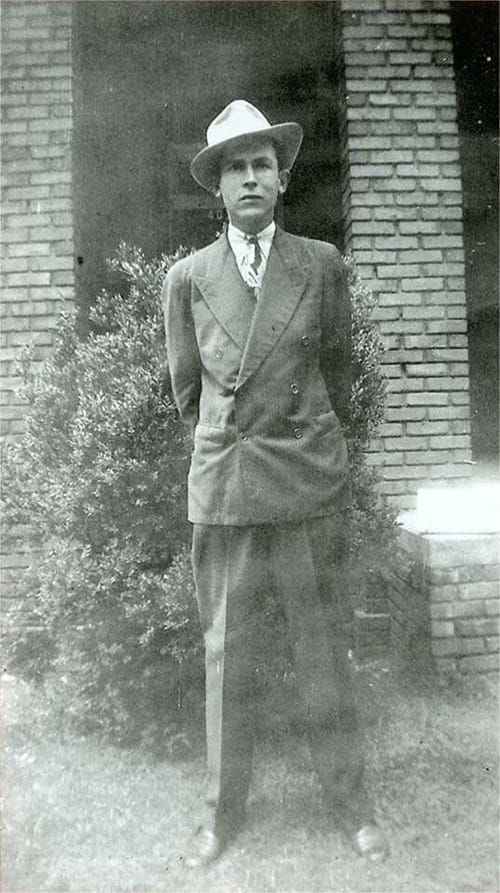
When Hank Williams released Why Don’t You Love Me in 1950, it was as if he had distilled the very essence of romantic desolation into a sharp, compelling honky-tonk anthem. This track, which soared to the apex of the Billboard Country & Western Best Sellers chart, became yet another testament to Williams’ profound ability to articulate the raw emotions that resonate within the human soul. Nestled within the album Moanin’ the Blues, this song exemplifies Williams’ prowess as a storyteller and musician, forging an indelible connection with listeners who have ever nursed a wounded heart.
Why Don’t You Love Me is more than just a lament; it is a searing inquiry into the vagaries of love and rejection. Penned by Williams himself, it taps into the universal experience of longing for affection that remains unreciprocated. The narrative unfolds through a series of questions that capture the singer’s bewilderment and vulnerability—a relentless inner dialogue reflecting confusion and despair. Yet, this is not merely an exercise in self-pity; rather, it is a candid exploration of self-worth and emotional reflection.
Musically, Why Don’t You Love Me epitomizes the sound that made Williams an enduring figure in country music. The song’s brisk tempo, buoyant melody, and distinctive steel guitar riffs provide an upbeat contrast to its melancholic lyrics. This juxtaposition is quintessential Hank Williams: a blend of sorrow and spirited resilience. It mirrors the duality often present in real-life heartaches—the simultaneous pull of despair and determination to rise above it.
Behind this song lies a personal story interwoven with Williams’ own tumultuous life. Known for his troubled relationships, particularly with his first wife Audrey Mae Sheppard, Williams had firsthand experience with the pangs of love gone awry. This authenticity imbues his work with an undeniable sincerity that continues to captivate audiences decades later. Why Don’t You Love Me emerges from this backdrop not just as a product of its time but as a timeless reflection on love’s complexities.
Williams’ artistry shines through in his vocal delivery, characterized by a plaintive yet powerful timbre that conveys both vulnerability and strength. His voice carries an unmistakable tinge of yearning—an emotion amplified by the simplicity and directness of his lyrics. It is this ability to connect with listeners on such an intimate level that cements his legacy as one of country music’s most beloved figures.
Moreover, Why Don’t You Love Me holds cultural significance beyond its chart success. It serves as a bridge between traditional country roots and the burgeoning sounds that would define mid-20th-century American music. By blending elements of blues with honky-tonk rhythms, Williams paved the way for future generations of musicians seeking to express their truths through song.
In reflection, Why Don’t You Love Me stands as a poignant reminder of Hank Williams’ exceptional gift for capturing the heart’s intricacies within the framework of simple yet profound storytelling. His ability to transform personal turmoil into universally relatable art ensures that this classic continues to echo through the annals of music history—evoking empathy and understanding from all who dare to listen closely enough to hear its haunting refrain.
