A Journey into the Heart of Americana, Where Loneliness Finds Companionship in the Shadows of Neon Lights
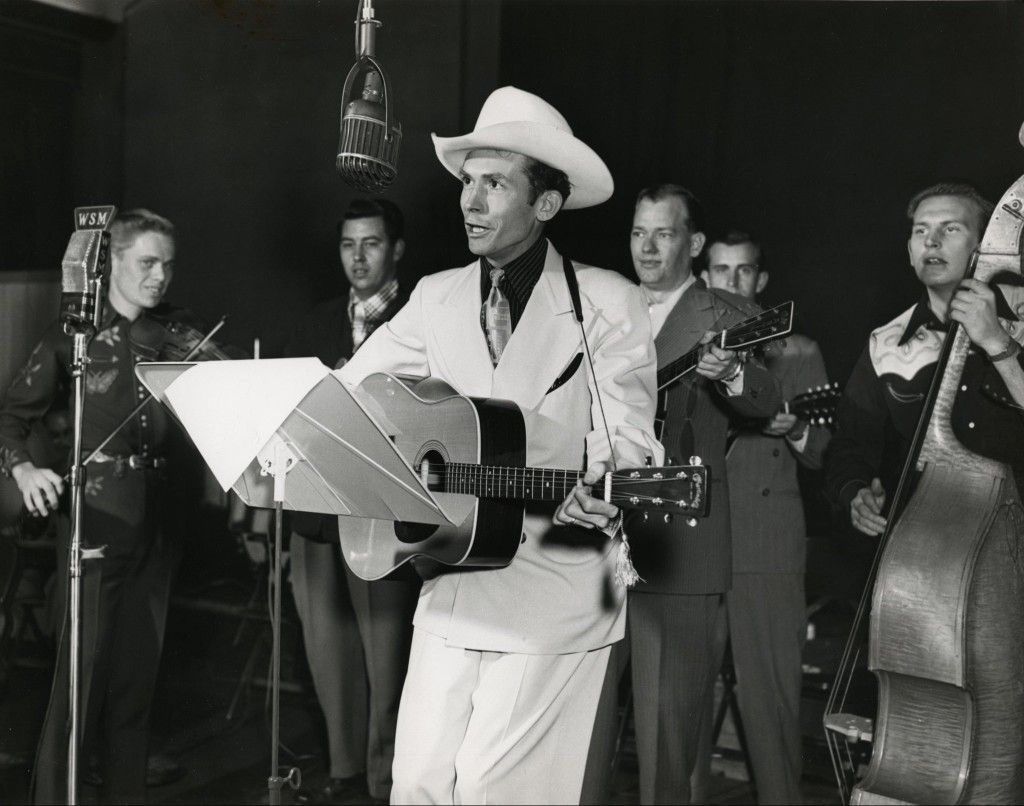
Hank Williams, a name synonymous with the very soul of country music, graced the world with his indelible masterpiece, Honky Tonkin’, in 1948. It was a time when post-war America was seeking solace and expression through music, and Williams, with his uncanny ability to articulate the heart’s deepest yearnings, offered precisely that. Released as a single and later included in the compilation album Moanin’ the Blues, Honky Tonkin’ quickly found its way into the hearts of listeners, reaching respectable positions on the country charts. It served as an anthem for those who found themselves wandering from one dimly lit bar to another, in search of connection and a brief respite from their everyday troubles.
The creation of Honky Tonkin’ is steeped in the authenticity that only Hank Williams could provide. This song emerges from the honky-tonk circuit—a network of roadside bars and dance halls that dotted the Southern landscape. It was here, amid cigarette smoke and clinking glasses, that Williams drew inspiration. The song encapsulates a lifestyle marked by late-night revelry and heartache, yet it never wallows in despair. Instead, it offers an invitation: “When you are sad and lonely and have no place to go / Come to see me baby, and bring along some dough.” In these words lies an embrace—a promise of camaraderie against the backdrop of solitude.
Lyrically, Honky Tonkin’ captures a raw and unapologetic portrait of life on the fringes. Williams taps into themes of escapism and transient connections, painting a vivid picture with his poignant storytelling. The recurring motif of hitting the town when feeling down resonates with listeners who recognize themselves in these lines. Through simple yet profound lyrics, Williams delivers an emotional truth: though life may be fraught with hardship, shared experiences—no matter how fleeting—can offer comfort.
Musically, Honky Tonkin’ is quintessentially Hank Williams: straightforward yet deeply evocative. The melody is driven by a rollicking rhythm that mirrors the lively atmosphere of a honky-tonk bar. Accompanied by steel guitars and fiddles, this musical arrangement invites listeners to tap their feet and momentarily forget their woes. It’s a celebration of music as an escape—a theme that reverberates throughout Williams’ work.
The legacy of Honky Tonkin’ extends far beyond its initial release. It stands as a testament to Hank Williams’ enduring influence on country music and its evolution into a form that speaks to universal human emotions. In its essence, this song encapsulates the spirit of honky-tonk culture—one where joy mingles with sorrow under neon signs and where music becomes both a balm for loneliness and a call to revelry.
In reflecting upon Honky Tonkin’, one is reminded of Hank Williams’ profound ability to connect deeply with his audience through simple truths wrapped in melody. It is a piece that invites us all to step into those shadowy halls where life’s complexities find temporary solace in song. Herein lies its timeless appeal: an ode to moments where even amid solitude, we find ourselves part of something greater—a shared human experience soundtracked by one man’s heartfelt voice.
