The Unyielding Rhythm of Resilience and Rebellion in a Heartland Anthem
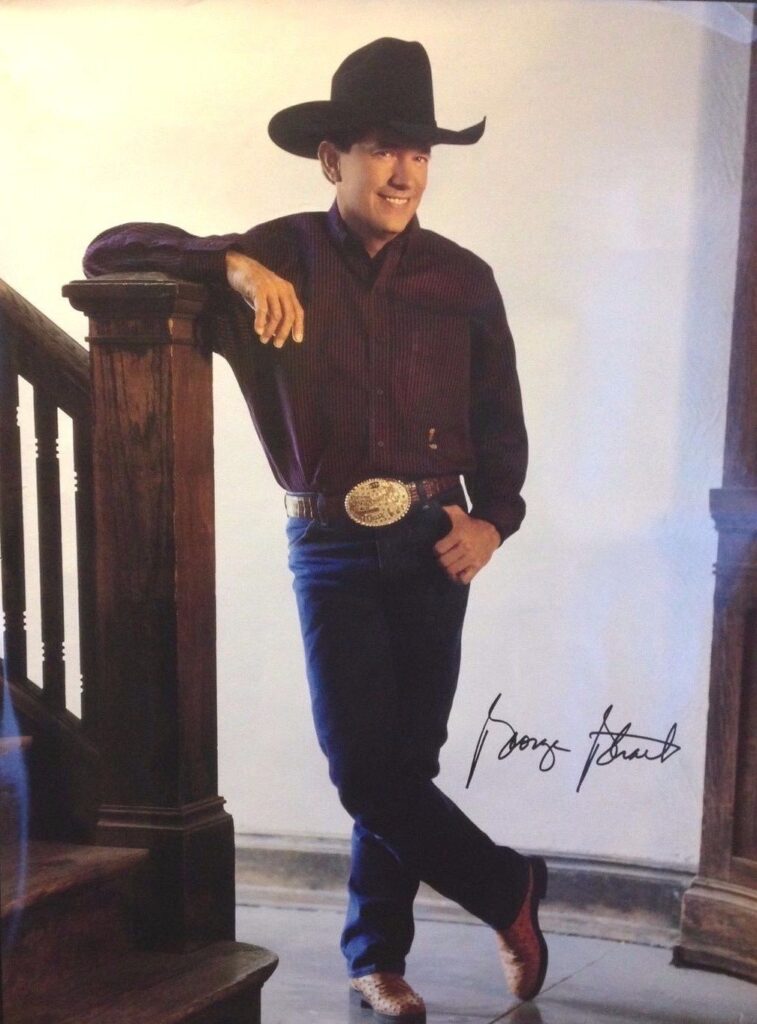
In 1985, George Strait, already riding the crest of country music success, released a song that would further cement his status as a living legend. “The Fireman,” featured on his album Does Fort Worth Ever Cross Your Mind, was an instant classic, reaching number five on the Billboard Hot Country Singles chart. A toe-tapping ode to charisma and romantic prowess, the song has since become synonymous with Strait’s easygoing charm and masterful storytelling, contributing significantly to the cultural tapestry of country music during the mid-1980s.
The song unfolds with a playful swagger, steeped in the rich tradition of honky-tonk. Written by Mack Vickery and Wayne Kemp, it paints a vivid portrait of a man who extinguishes the metaphorical fires of heartbreak with nonchalant ease. This narrative vehicle is both novel and endearing—Strait assumes the role of a modern-day troubadour who rescues damsels from their emotional infernos. The track’s up-tempo beat and rolling guitar riffs evoke the bustling energy of a Saturday night at a local dance hall, where laughter mingles with the smoke and haze of neon lights.
Lyrically, “The Fireman” stands out for its clever wordplay and confident bravado, hallmarks of George Strait’s enduring appeal. It marries humor with sincerity, as the protagonist describes his nocturnal escapades with an irresistible blend of modesty and mischief. This song is not merely about romantic conquests; it is an exploration of identity and myth-making within American songwriting. Strait’s delivery is effortlessly smooth, imbued with just enough tongue-in-cheek wit to draw listeners into his world without ever seeming disingenuous.
By 1985, George Strait had already been established as the “King of Country,” known for bringing traditional sounds back into vogue against a backdrop of increasingly pop-oriented trends. “The Fireman” exemplifies this return to roots—eschewing elaborate production in favor of straightforward instrumentation that showcases his unmistakable voice. It captures the essence of Texan bravado while maintaining an understated authenticity that resonates deeply with audiences. As the genre grappled with modern influences, Strait stood as a stalwart guardian of its fundamental spirit.
Culturally, “The Fireman” holds a significant place within both Strait’s career and country music at large. It underscores his ability to navigate themes universal to human experience—love, loss, resilience—with an authenticity that transcends temporal boundaries. The song’s lively tempo and catchy chorus make it an enduring favorite among fans, often featured in live performances where its infectious energy ignites crowds anew.
While some might dismiss it as a lighthearted romp through romantic escapades, “The Fireman” reveals layers beneath its surface levity—a testament to its craft and subtle complexity. Its enduring popularity speaks not only to its immediate appeal but also to its capacity for deeper connection over time.
In examining this piece through the lens of country music history, one can trace lines from George Strait’s straightforward narratives back to earlier storytellers like Hank Williams or Merle Haggard—artists who understood that simplicity often carries profound weight when wielded by skilled hands.
“The Fireman” remains an essential part of George Strait’s legacy—a vibrant reminder that within each verse lies potential for both joyous celebration and introspective reflection on what it means to live fully amidst life’s ceaseless dance between heartache and happiness. Through songs like this one, Strait continues to inspire new generations while honoring those who paved paths before him—a true maestro conducting symphonies spun from strings, steel guitars, and stories etched into vinyl grooves forever echoing across time’s vast expanse.
