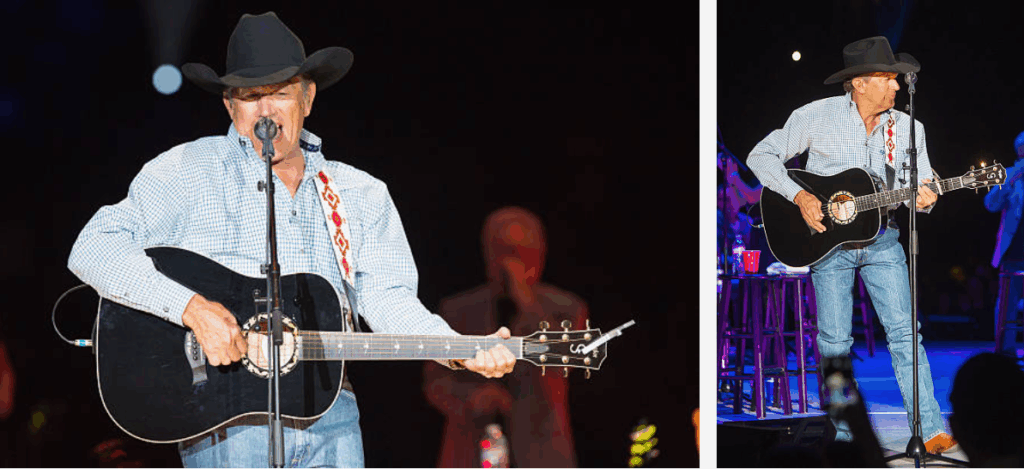
The Twilight of Longing: A Meditation on Heartache and Solitude in George Strait’s “Living for the Night”
In 2009, George Strait released “Living for the Night”, a single from his hai mươi bảy (27th) studio album, Twang. The song was met with critical acclaim, earning its place as the lead single on an album that would go on to debut at number one on the Billboard 200. This track marks a significant entry in Strait’s extensive repertoire, reaching number two on the Billboard Hot Country Songs chart. Its haunting melody and introspective lyrics resonate deeply with those familiar with the nocturnal solitude it evokes—a theme that feels as timeless as the country genre itself.
“Living for the Night” emerges from a collaborative effort between George Strait, his son Bubba Strait, and Dean Dillon, a long-time songwriting partner. This fusion of familial and artistic connections imbues the song with an authenticity that mirrors the genuine heartache experienced by those who have loved and lost. At its core, the song delves into themes of isolation and yearning, painting a vivid portrait of a man who finds solace only when the sun sets and shadows stretch across the land.
The creative genesis of this song lies within the personal realm. Strait, who often navigates the emotional landscapes of love and loss, channels his personal experiences into this piece. The opening lines set a melancholic tone as they reflect on sleepless nights and self-imposed solitude—a scenario familiar to many who have endured heartbreak. The listener is invited into a world where daylight is shunned in favor of the quiet stillness of night, where memories linger like ghostly companions.
Musically, “Living for the Night” stands out with its understated instrumentation that complements Strait’s smooth, baritone voice. The arrangement is classic country—a gentle blend of steel guitar and fiddle—lending an air of timelessness to its execution. This sonic backdrop amplifies the emotional depth of Strait’s delivery, allowing his voice to carry both strength and vulnerability in equal measure.
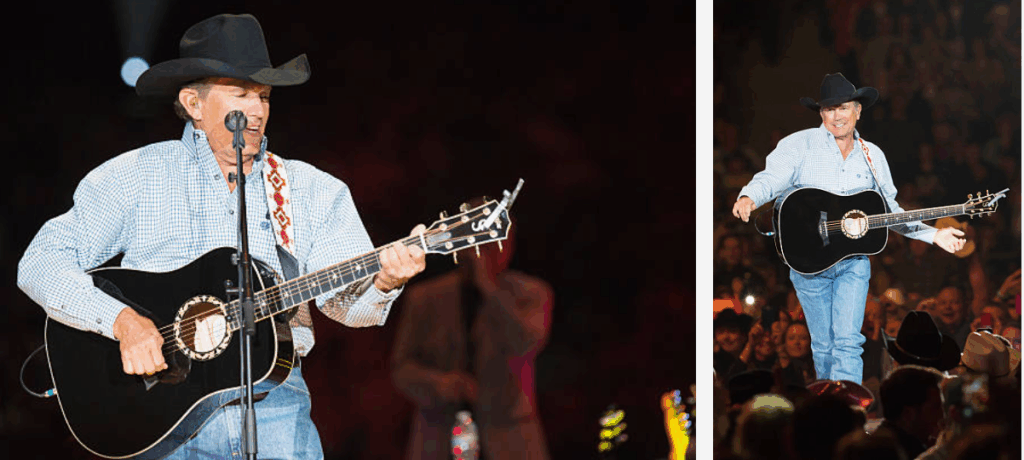
Within George Strait’s illustrious career, which spans over four decades and more than 60 number-one hits, “Living for the Night” finds its place not as an anomaly but rather as a testament to his enduring ability to capture life’s most poignant moments. In many ways, this song encapsulates his gift for storytelling—stripping away pretense to reveal the raw human condition beneath.
The cultural significance of this track lies not only in its immediate impact upon release but also in its enduring resonance within country music history. As modern country increasingly incorporates pop influences, Strait remains a stalwart figure representing traditional sounds and themes. His work serves as a bridge between past and present, honoring country music’s roots while remaining relevant to contemporary audiences.
The emotional landscape of “Living for the Night” is rich with longing—a testament to how effectively music can articulate what words alone often cannot convey. Listeners are transported into a space where time seems suspended; where each note lingers like an echo in an empty room; where heartache is both companion and adversary.
For those who have experienced similar nights—those marked by silence interrupted only by thoughts too loud to ignore—the song offers solace in shared understanding. It reminds us all that even in darkness there exists beauty; that sometimes it takes embracing our shadows before we can step into light once more.
In conclusion, George Strait’s “Living for the Night” stands as both an emblematic piece within his catalog and a poignant narrative woven into American songwriting tradition. Through its exploration of heartache set against gentle melodies steeped in tradition yet vibrantly alive today—it invites listeners on a journey through twilight toward dawn—a journey marked by introspection yet ultimately lit by hope’s enduring flame.
