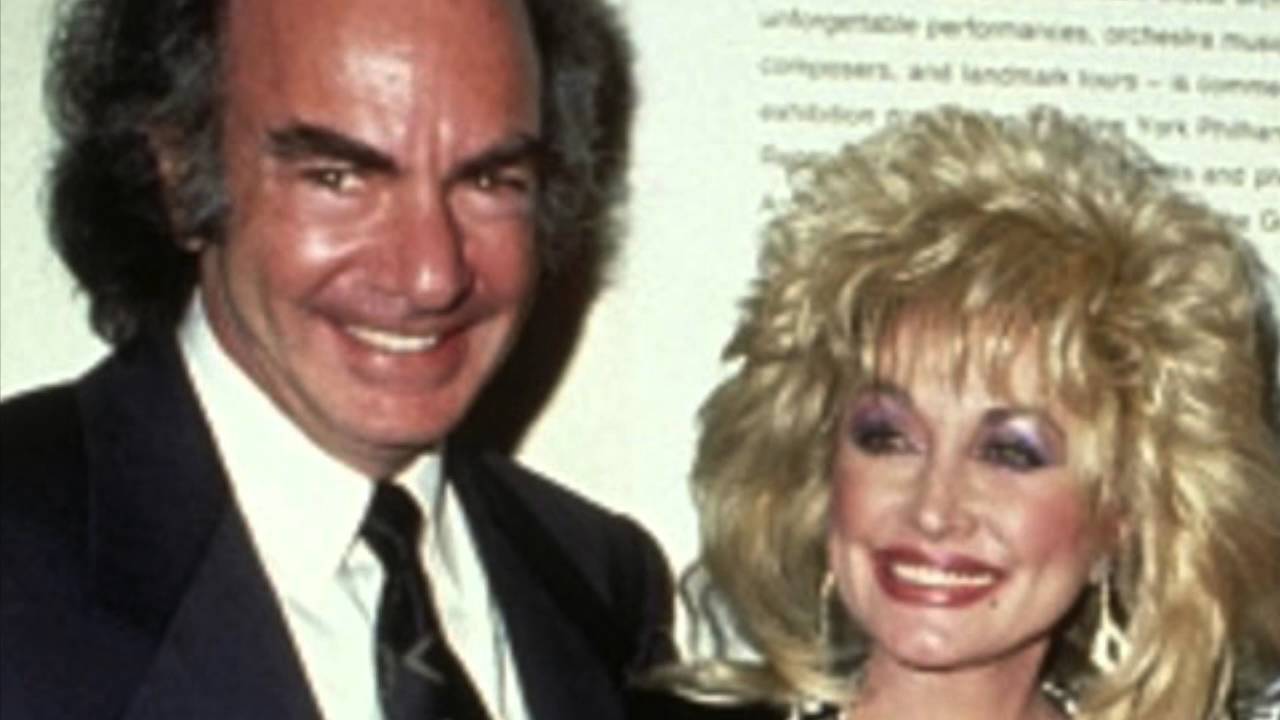
Longfellow Serenade was the tender, elegant hit that reminded listeners how deeply Neil Diamond could connect when he stepped away from grand ambition and returned to the language of the heart.
When Neil Diamond released Longfellow Serenade in late 1974 from the album Serenade, it did more than become another successful single. It restored a sense of balance to his pop identity. The song climbed to No. 5 on the Billboard Hot 100 and reached No. 1 on the Easy Listening chart, a clear reminder that Diamond still knew exactly how to turn intimacy into something huge on the radio. Those chart positions mattered. After the unusual, ambitious chapter of Jonathan Livingston Seagull, he needed a song that brought him back not just to the charts, but back to the emotional center of what audiences loved most about him.
That is what makes Longfellow Serenade such an important record in his story. The Jonathan Livingston Seagull soundtrack had shown Diamond reaching for something expansive and conceptual. It was serious, personal, and musically sincere, but it also pulled him into a more complicated public moment. The project was tied to a film that drew a mixed response, and while the soundtrack itself had commercial strength, it did not function like a clean continuation of his great run of direct, memorable pop singles. In other words, the public still knew Neil Diamond, but the next move had to feel unmistakably like him again. Longfellow Serenade answered that need with remarkable grace.
What listeners heard was not a defensive song, and that is part of its quiet brilliance. Diamond did not come back by sounding smaller or more cautious. He returned by sounding confident in a different way: romantic, theatrical, warm, and completely unashamed of sentiment. Longfellow Serenade carries the stately mood of an old-fashioned courtship song, yet it never feels dusty or academic. It has sweep, but not excess. It has polish, but it also has human closeness. That balance was essential. A lesser artist might have responded to a difficult chapter by chasing trends or trying to prove relevance through noise. Diamond did the opposite. He trusted melody, phrasing, and atmosphere.
The title itself is part of the charm. Longfellow Serenade was not a literal adaptation of the poet Henry Wadsworth Longfellow, but the reference gave the song an instant aura of literary romance. Diamond seemed to be reaching for the feeling of old-world devotion, the kind of courtly tenderness that sounds almost ceremonial in an age of passing fashions. That gesture gave the single a special emotional color. It was not merely a love song; it was a love song presented as a keepsake, a memory, a moonlit promise. In Diamond’s hands, that could have seemed overly ornate, but instead it felt sincere. He had always been one of pop’s great believers in grand feeling, and here that instinct worked beautifully.
There is also a deeper reason the song connected so strongly in 1974. Neil Diamond had long understood that even his biggest records worked best when they felt personal inside their largeness. Hits such as Cracklin’ Rosie and Song Sung Blue had already proven that he could speak to millions without losing the sound of one voice reaching out. Longfellow Serenade continued that gift. The arrangement feels dressed for a special occasion, but the emotional core is direct and uncomplicated: longing, admiration, and the hope that a song might still bridge the distance between two people. That is one of the oldest ideas in popular music, and Diamond delivered it with the conviction of someone who knew it still mattered.
From a career perspective, the timing could hardly have been better. The album Serenade helped reestablish Diamond after the soundtrack detour, and Longfellow Serenade became the clearest symbol of that reset. It reminded radio programmers, fans, and perhaps even critics that his strength was never only in spectacle or scale. It was in the way he made earnestness feel noble rather than naive. The song’s Top 5 showing on the pop chart was not simply a statistic. It was proof that his audience was still with him, ready to follow once he returned to the kind of emotional storytelling that had made him indispensable in the first place.
Listening now, what lingers most is the song’s poise. There is no panic in it, no sense of an artist trying to repair his image. Instead, there is a calm reassertion of identity. Longfellow Serenade sounds like a man standing in his own style again. For anyone tracing the arc of Neil Diamond‘s 1970s work, that matters. The song sits at the point where ambition gave way to clarity, where the broad wingspan of Jonathan Livingston Seagull yielded to something more grounded and emotionally immediate.
And perhaps that is why the record still holds such affection. Some comeback songs arrive with force. Others arrive with wisdom. Longfellow Serenade belongs to the second kind. It did not erase the soundtrack chapter before it, nor should it have. Instead, it reframed the story. It reminded listeners that after any artistic detour, what matters most is whether the singer can still reach the heart in a way that feels true. In late 1974, Neil Diamond did exactly that, and the charts confirmed what the song already knew: he was back in the place where he belonged.
