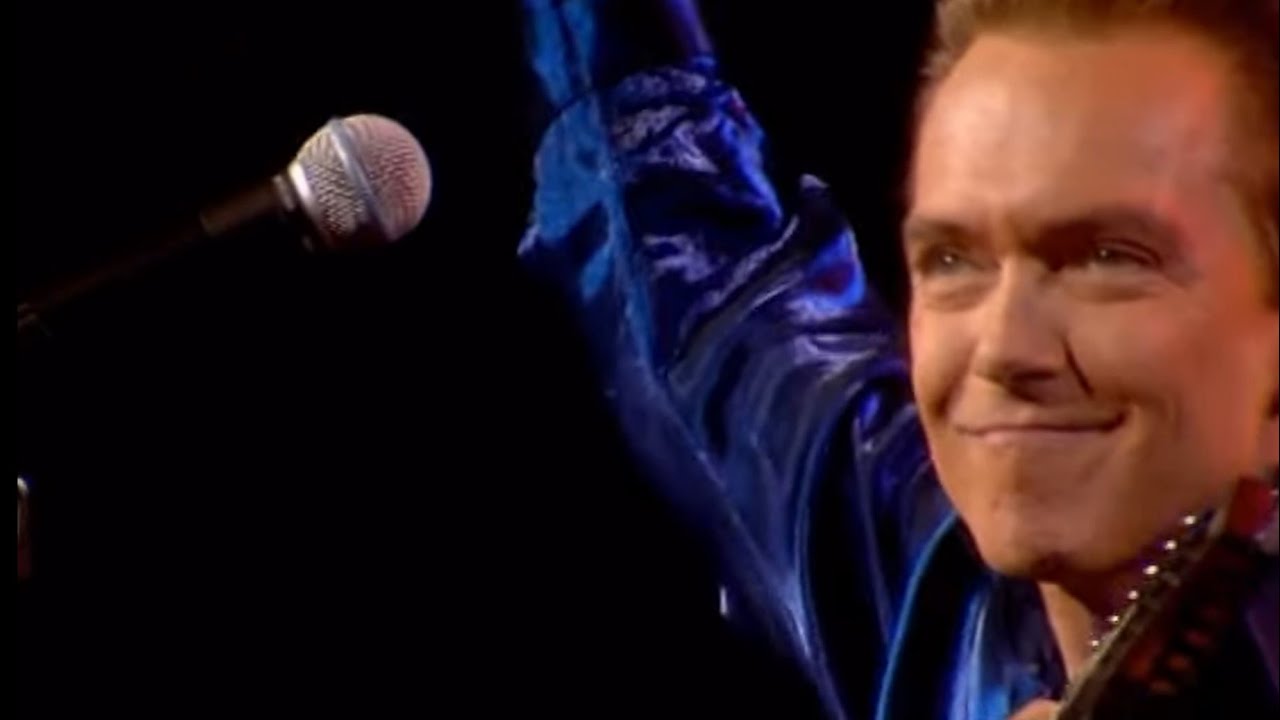
David Cassidy turned “The Puppy Song” into a tender confession about wanting the simplest thing in the world: honest love, quiet comfort, and a place where the heart can finally rest.
Some songs do not arrive with thunder. They do not need grand statements, heavy drama, or a chorus built to shake the walls. They slip in softly, almost shyly, and stay for years. That is exactly the kind of spell cast by David Cassidy on “The Puppy Song”, a recording that remains one of the sweetest and most quietly revealing moments in his catalog. Included on his 1973 album Dreams Are Nuthin’ More Than Wishes, the song was also issued in Britain as part of the double A-side single “Daydreamer / The Puppy Song”, which reached No. 1 on the UK Singles Chart. For a singer so often framed by hysteria, posters, headlines, and the glare of teenage fame, this gentle performance offered something far more lasting: vulnerability without spectacle.
The song itself was written by Harry Nilsson, who first recorded it in 1969. In Nilsson’s hands, it was whimsical, charming, and touched by childlike longing. But when David Cassidy sang it, the meaning deepened in a different way. He did not overplay it. He did not turn it into a showcase. Instead, he sang it with a kind of careful sincerity that made its innocence feel almost fragile. The lyric sounds simple on the surface: a wish for a puppy, a friend, someone to love. Yet simplicity is often where the deepest truths hide. Underneath that light melody is a very old human ache, the desire to be loved in a way that is uncomplicated, constant, and safe.
That is one reason “The Puppy Song” has aged so gracefully. It does not depend on cleverness. It depends on recognition. Nearly everyone knows what it means to long for a world less confusing than the one they are living in. Nearly everyone has wished, if only for a passing moment, that affection could be as straightforward as the trust in a dog’s eyes. That image may sound small, but it carries enormous emotional weight. The song is really about innocence, belonging, and the dream of emotional shelter. In a noisy world, it asks for warmth. In a complicated life, it asks for kindness.
And there was something especially poignant about David Cassidy singing those words in the early 1970s. By then, he was not merely a popular performer. He was a phenomenon. The success of The Partridge Family had made him one of the most recognizable young stars in the world. But fame has always carried its own loneliness, and listeners could hear, even through the polished production, that “The Puppy Song” suited the more reflective side of his voice. It let him step away from the machinery of stardom and sound, for a few minutes, like a young man reaching for something real. That does not mean the song was autobiographical in any literal sense. Still, it is difficult not to feel that the performance resonates because it touches the same contradiction that followed him throughout his career: public adoration on one side, private yearning on the other.
Musically, the recording is graceful and unfussy. The arrangement gives the melody room to breathe, and that restraint matters. A heavier production would have ruined it. David Cassidy understood, or at least instinctively honored, the delicacy of the material. He sings with warmth, but also with a light ache, never forcing emotion where the song is already doing the work. That balance is part of what makes the track memorable. It feels openhearted rather than sentimental, tender rather than sugary. Many singers could have made “The Puppy Song” seem merely cute. Cassidy made it feel sincere.
Its chart success in Britain also says something important about the breadth of his appeal. Yes, he inspired intense devotion as a pop idol, but songs like this remind us that his popularity was not built on image alone. A No. 1 single does not remain in memory simply because of screaming crowds. It remains because, somewhere inside the performance, there is something genuine enough to survive after the noise fades. “The Puppy Song” did that. It kept its heart intact.
There is also a deeper cultural memory attached to songs like this now. Listening to David Cassidy sing it today, one hears more than a period piece from the early 1970s. One hears a time when pop could still be gentle without apology, when tenderness was not treated as weakness, and when a singer could say something meaningful by sounding almost disarmingly plain. That may be why the song continues to move listeners long after its chart run ended. It carries the emotional texture of an era, but its longing belongs to every era.
In the end, “The Puppy Song” is not memorable because it is grand. It is memorable because it is modest. It knows that the heart often asks for simple things and that those simple things can be the hardest to find. In David Cassidy’s version, the song becomes a quiet refuge, a small and lovely reminder that beneath celebrity, fashion, and changing times, the oldest wish remains the same: to be loved without strain, without disguise, and without fear of losing it. Few performances say that so softly, and few say it so well.
