
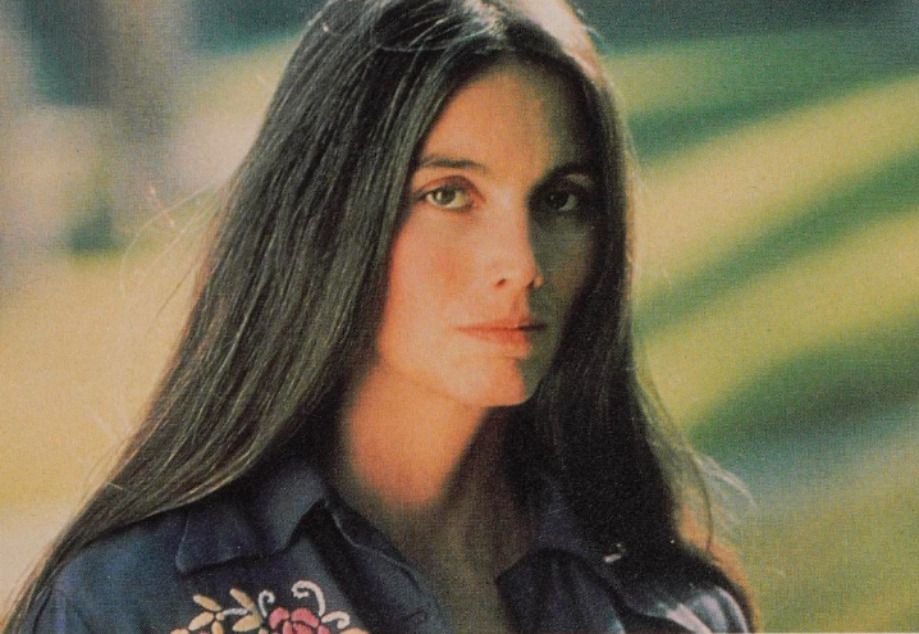
In “If I Needed You,” tenderness is not comfort. It is the very thing that makes the song so dangerous. The softer it moves, the deeper it goes—until love sounds less like a declaration than a promise too pure to survive untouched.
When Emmylou Harris recorded “If I Needed You” with Don Williams in 1981, the song already carried a quiet authority. It had been written by Townes Van Zandt and first appeared on his 1972 album The Late Great Townes Van Zandt, a song whose language was so plain, so open, that it almost seemed too simple to leave a lasting wound. But that was the secret from the beginning. The title line does not plead. It barely rises above a murmur. And that is exactly why it endures. Harris and Williams released their duet in September 1981 as the first single from her album Cimarron, and it rose to No. 3 on Billboard’s Hot Country Singles chart and No. 1 on Canada’s RPM Country Tracks chart.
The story of the song begins with that unusual kind of writing only Townes Van Zandt could make feel effortless. “If I Needed You” is built from ordinary words—need, come, ease, mornin’, babe—yet it carries the hush of something almost sacred. There is no grand metaphor crowding the emotion. No dramatic breakdown. No storm of accusations. The song simply offers itself. If I needed you, would you come to me? In lesser hands, that kind of directness might sound slight. Here, it becomes devastating. The listener is drawn in because the song sounds safe, almost innocent. But that gentleness is the trap. The closer the song comes, the harder it is to escape.
That is what makes Emmylou Harris’s version so deeply moving. She did not try to turn the song into a showcase. She let it remain what it was meant to be: intimate, close, almost whispered across the room. And beside her, Don Williams gives the song something invaluable—steadiness. His voice does not dramatize the devotion. It settles into it. The duet becomes a conversation where neither singer has to reach for effect, because the emotional truth is already there. That balance is the whole story of the record. Harris brings the light, Williams the ground. Together, they make the promise in the lyric sound utterly believable.
There is also something important in where the song appeared. Cimarron, released in November 1981, was not one of Harris’s most unified albums in the usual critical sense; it was assembled largely from outtakes and leftover sessions. Yet from that patchwork record came one of the most enduring performances of her career. The album still reached the Top 10 on the U.S. country chart, and “If I Needed You” became one of its emotional centers. That contrast matters. Sometimes the songs that last longest are not born in carefully arranged triumph. Sometimes they rise quietly from scattered sessions and reveal themselves later as the true heart of the whole story.
And then there is the deeper reason the song still breaks hearts with almost no effort: it never sounds like love trying to persuade. It sounds like love that already exists in its purest form, and therefore has everything to lose. The lyric does not argue for devotion. It assumes devotion. It imagines a bond so natural that one call would be enough, one need would be answered, one sorrow would be eased. That kind of tenderness is beautiful, but it is also fragile. The song’s pain lives in that fragility. A promise this gentle cannot bear much corruption from the world around it. The listener feels that instinctively.
That is why the performance continues to haunt. It does not push heartbreak toward the listener. It lets heartbreak remain hidden inside grace. The melody moves softly. The phrasing stays clear. The arrangement never raises its voice. And yet by the end, the song has done something enormous. It has reminded the listener that the most unforgettable love songs are not always the loudest ones. Sometimes they are the ones that sound as if they needed almost nothing—just a few plain words, two honest voices, and enough tenderness to reveal how much the heart stands to lose.
So yes, the tenderness is the trap. In Emmylou Harris’s “If I Needed You,” the beauty feels effortless because it is built on trust, on simplicity, on the kind of love that does not need ornament to sound true. And that is why it still breaks hearts. Not through force. Not through drama. But through the quiet, almost unbearable purity of a promise sung as though it should have been enough to keep sorrow away.
