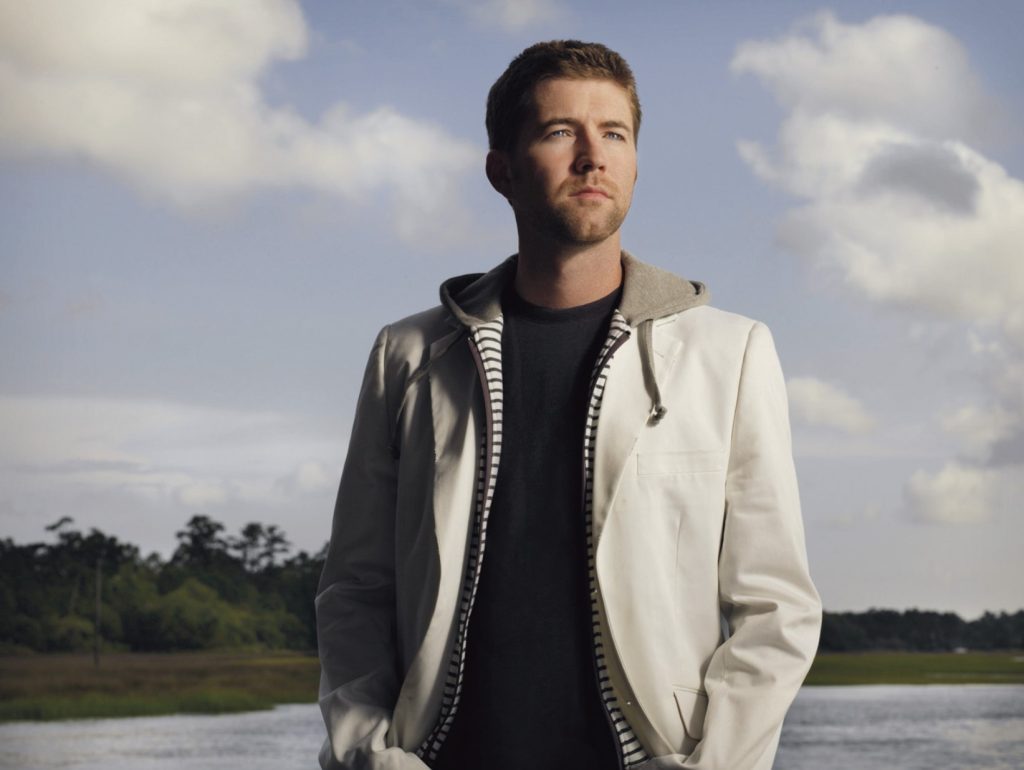
“Unburn All Our Bridges” feels like a late-night phone call you almost don’t make—an earnest plea to undo the damage, and a reminder that pride is often the last thing standing between two people who still care.
Some songs arrive with a chart “debut” and a victory lap. Josh Turner’s “Unburn All Our Bridges” arrived differently—more like a page tucked inside a diary than a headline on the radio ticker. It was not released as a single, so it didn’t enter the Hot 100 or Hot Country Songs with a recorded debut position of its own. Instead, it lived on Turner’s debut album Long Black Train, released October 14, 2003 on MCA Nashville—the record that introduced that unmistakable bass-baritone to the wider world.
If you want the measurable “arrival” moment, it’s the album’s footprint: Long Black Train peaked at No. 29 on the Billboard 200 and reached No. 4 on Top Country Albums, eventually going Platinum in the United States. And while radio carried the bigger calling cards—“She’ll Go on You” (Hot Country Songs No. 46), “Long Black Train” (No. 13), and “What It Ain’t” (No. 31)—“Unburn All Our Bridges” stayed in that more intimate space where album tracks often become the truest companions.
The song’s writer is Jamie O’Hara, and that credit matters because you can feel a seasoned songwriter’s instinct for plainspoken drama: take a familiar phrase—don’t burn your bridges—then flip it into something almost desperate and beautifully impossible: unburn them. That single made-up verb is the entire story in miniature. Everyone knows what it means to burn a bridge: a decision, a sharp word, a door slammed with the kind of finality that feels strong for exactly one night. But “unburn”? That’s what you say when strength has run out and longing starts telling the truth.
And the way Turner’s debut-era sound frames it is telling. Long Black Train was produced by Mark Wright and Frank Rogers, with arrangements that often balance country instrumentation with a polished Nashville sweep. A contemporary review noted how, on slower cuts including “Unburn All Our Bridges,” the production leans into sweetened string arrangements, pushing the emotion right to the foreground. Even the album credits underline that choice: Bergen White is credited for string arrangements on tracks including this one. The result is a ballad that doesn’t hide behind cleverness. It steps into the light and says what it means.
If I were telling this story on the radio, I’d say the song begins where so many real apologies begin: not with eloquence, but with that simple, helpless admission—I miss you so much I don’t know what to do. (The kind of line you can imagine being spoken into a kitchen phone, the cord stretched tight, the clock too loud on the wall.) The genius of “Unburn All Our Bridges” is that it doesn’t romanticize the past or pretend the breakup was a misunderstanding. It accepts there was something that “tore us apart,” and it doesn’t name it—because the specifics are different for everyone. What stays universal is the wish: please, let’s not let this be permanent.
And that’s the meaning that lingers after the last string note fades. The song isn’t really about reversing time; it’s about resisting the temptation to make pain into a monument. “Unburning bridges” is the emotional opposite of performing toughness. It’s humility. It’s the quiet courage of asking for another chance while knowing you might not get one.
There’s also something deeply Josh Turner about choosing to sing this kind of plea early in his recorded life. Before the later hits and the easy charisma, here he is—voice full of gravity—making room for tenderness. Not grand, not theatrical. Just human. And maybe that’s why “Unburn All Our Bridges” endures for the listeners who find it: it doesn’t chase you down the road like a single does. It waits for the moment you need it—when you’re ready to believe that some endings aren’t endings at all, just a pause long enough to hear the heartbeat of regret, and to reach—carefully—for mercy.
