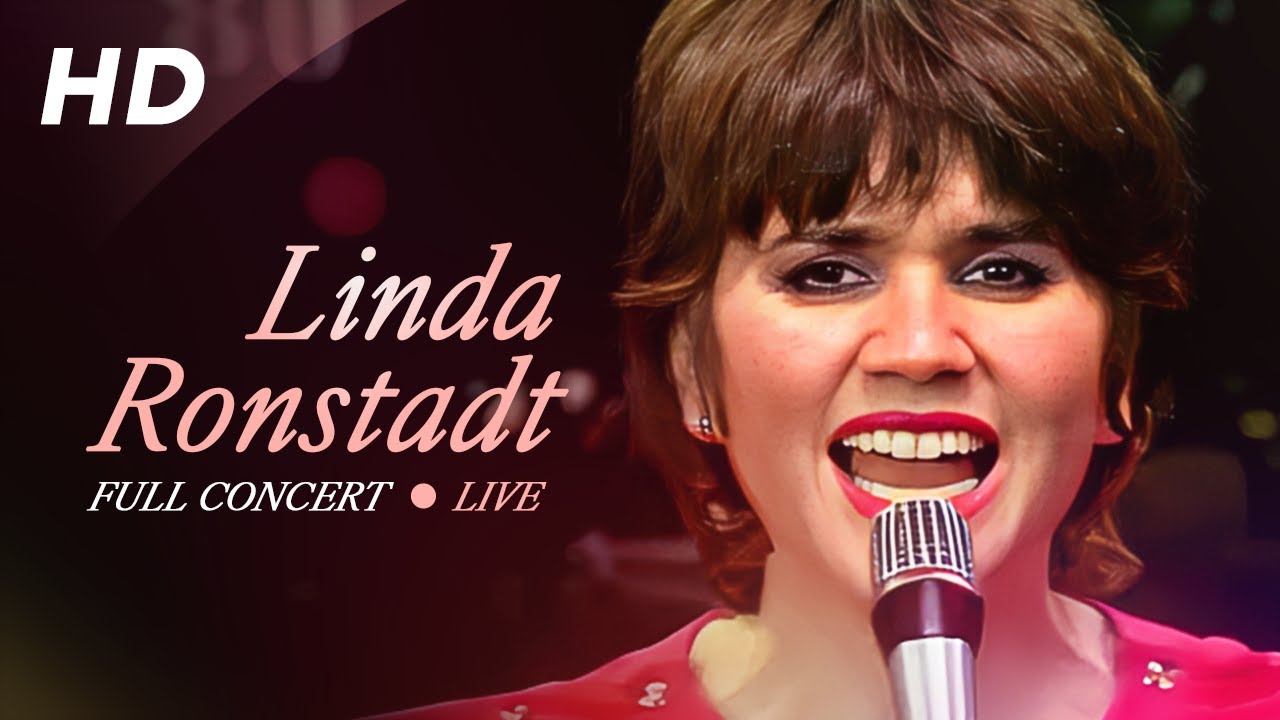
Before Linda Ronstadt became a voice that could cross whole musical worlds, Long, Long Time showed how much power she could find in restraint.
Released in 1970 on her second solo album, Silk Purse, Linda Ronstadt‘s breakthrough ballad Long, Long Time arrived at a defining early point in her solo career. Written by Gary White and issued during her Capitol Records years, the song became her first major solo pop hit, reaching the Top 40 on the Billboard Hot 100 and earning Ronstadt a Grammy nomination for Best Contemporary Female Vocal Performance. Those facts matter, but they only begin to explain why the recording still feels so exposed, so carefully wounded, and so revealing of the singer she was becoming.
By the time Silk Purse appeared, Ronstadt was no longer simply the young woman many listeners remembered from The Stone Poneys and the aching clarity of Different Drum. She was trying to define herself outside the frame of a group, outside the expectations that often closed around young female singers in the late 1960s, and outside any single genre line. Her 1969 solo debut, Hand Sown… Home Grown, had already pointed toward country-rock before the term had fully hardened into a format. But Long, Long Time gave radio listeners something even more intimate: a slow, unsheltered ballad where every breath seemed to carry the cost of wanting someone who would not come close enough.
The recording did not announce itself with spectacle. It moved patiently, letting the melody rise as if the singer were discovering the depth of the hurt only while singing it. Ronstadt was still at the beginning of a career that would later move with extraordinary ease through rock, country, pop standards, operetta, and traditional Mexican music. Yet on this track, the future breadth of her artistry is already suggested in miniature. She does not treat the song as a vocal showcase, even though the voice is astonishing. She does something subtler: she allows the song to pull against her, holding back just enough that the final emotional release feels earned rather than displayed.
That restraint is one reason Long, Long Time remains so important in her early catalog. The lyric is plain in its sorrow, built around the recognition that love can persist long after hope has left the room. In lesser hands, that sentiment could become heavy or theatrical. Ronstadt instead sings it with a kind of open-eyed sadness. She sounds young, but not naïve. She sounds vulnerable, but not fragile. The performance understands that unreturned love is not always dramatic from the outside; sometimes it is private, repetitive, almost ordinary in the way it follows a person through the day.
The setting of Silk Purse adds to the song’s emotional shape. Recorded in Nashville with producer Elliot Mazer, the album placed Ronstadt near country musicianship without confining her to country identity. That mattered. In 1970, the boundaries between rock, folk, country, and pop were being tested by a generation of artists who heard American music as a shared language rather than a set of separate rooms. Ronstadt stood at that intersection with unusual instinct. Long, Long Time could sit beside country heartbreak, folk confession, and pop balladry, yet it belonged completely to none of them. It was her voice that made the borders disappear.
Listening now, what is striking is not simply the purity of the tone, a quality often praised in Ronstadt’s singing, but the emotional intelligence underneath it. She understands when to let a phrase float and when to let it tighten. She leans into the ache without overselling it. The famous lift of the chorus feels less like a big moment than a surrender, as if the song has finally admitted what the verses tried to survive. That is a difficult balance for any singer, and even more remarkable for one still shaping the public identity that would later make her one of the most admired interpreters of her generation.
Long, Long Time also became a kind of doorway for listeners. It was not merely a successful early single; it taught audiences how to hear Linda Ronstadt. The record suggested that she could take a song written by someone else and inhabit it so completely that it seemed to reveal something essential about her own musical character. That gift would become central to her career. Again and again, she would choose songs with strong emotional architecture and then find the human temperature inside them. Here, on Silk Purse, that gift was already unmistakable.
There is a quiet courage in the recording that grows more apparent with time. It does not hide behind tempo, attitude, or arrangement. It stands in the uncomfortable space where longing has no guarantee of reward. For an artist at the beginning of a solo journey, that kind of stillness can be risky. But Ronstadt made the stillness speak. She let listeners hear not only a beautiful voice, but a young artist learning how to turn emotional truth into musical authority. Before the larger fame, before the platinum albums, before the fearless stylistic turns, Long, Long Time gave her career one of its first deep shadows — and one of its first unmistakable lights.
