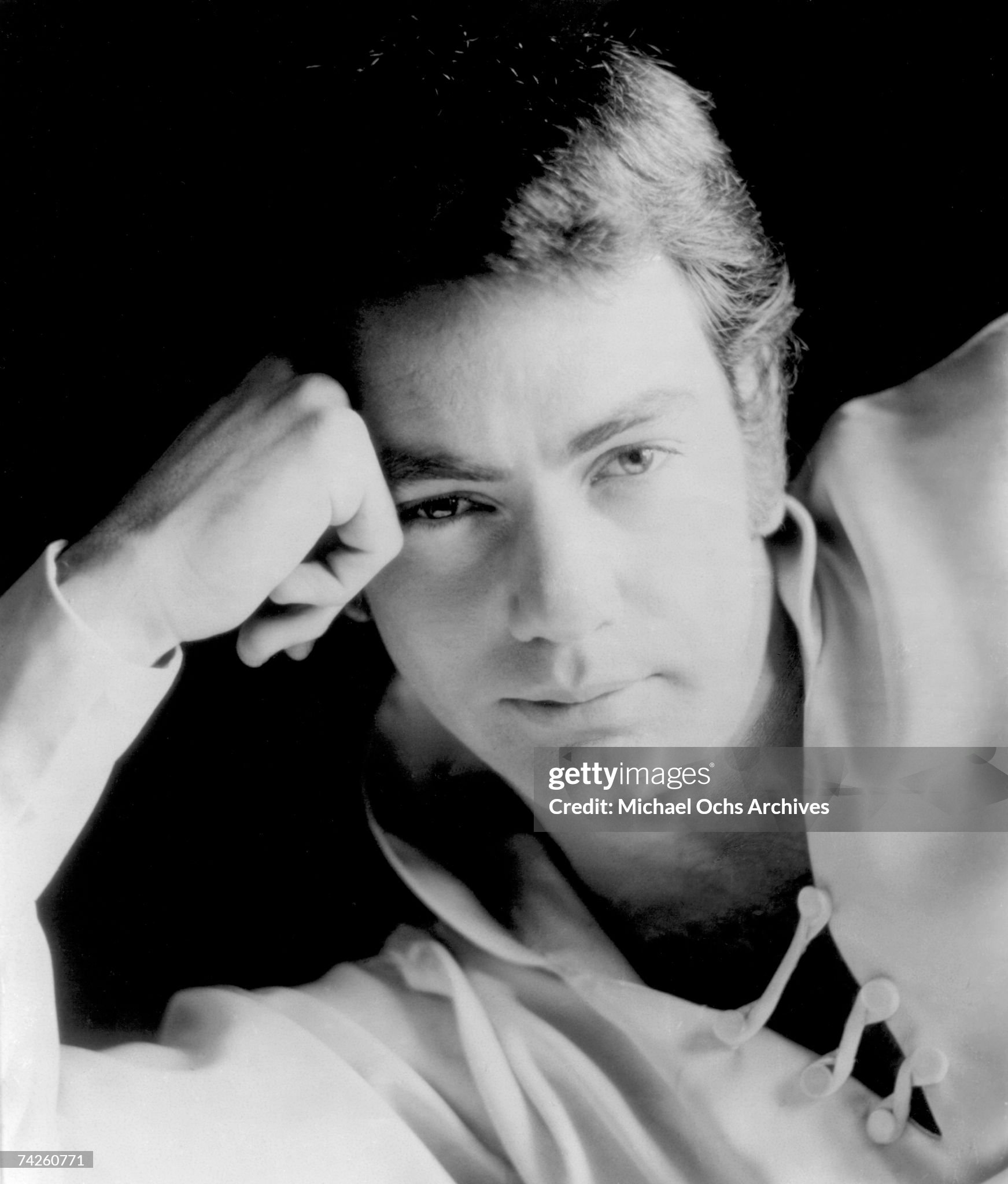
In Beautiful Noise, Neil Diamond heard the city not as interruption, but as rhythm, memory, and proof that life was still moving.
When Neil Diamond released Beautiful Noise in 1976 on Columbia Records, the title track did more than announce a new album era; it signaled a striking collaboration. The song Beautiful Noise, written by Diamond and produced by Robbie Robertson of The Band, brought together two artists whose public images seemed to live in different neighborhoods of American music. Diamond carried the sweep of the pop stage, the polished force of a born headliner, and the emotional directness that had already made him a major name. Robertson carried the weathered language of roots rock, road songs, and cinematic American shadows.
That unlikely pairing is part of what still makes the record interesting. By the middle of the 1970s, Diamond was no newcomer searching for a voice. He had already moved from Brooklyn and the Brill Building world into mass recognition with songs that filled radio, concert halls, and arena spaces. Yet Beautiful Noise does not simply stretch his stage persona to a larger size. It turns inward by turning outward. Instead of confession in a quiet room, Diamond chooses the street, the passing crowd, the machinery of everyday life, and the pulse outside the window. The city becomes a kind of orchestra, not always gentle, but alive.
The title itself is the key. A beautiful noise is a contradiction, and Diamond knew how to make a contradiction sing. Noise is usually what people try to shut out: traffic, voices, footsteps, workday motion, the restless clatter of a place that refuses to pause. But in this song, those sounds are gathered into rhythm. The recording does not treat urban life as chaos to be escaped. It treats it as evidence of connection. The song listens to the ordinary world until the ordinary world begins to feel musical. That is why the title track fits the album era so well: it is broad, welcoming, and public, but it also carries the private memory of someone who knows what it means to come from a crowded place and still hear a melody inside it.
Robbie Robertson’s presence matters because he does not erase Diamond’s grandness; he gives it texture. Robertson, best known as the guitarist and principal songwriter associated with The Band, had a gift for making American music feel like it had dust on its boots and history in its corners. With Neil Diamond, that sensibility did not turn the song into rustic folk-rock, nor did it make Diamond sound like anyone other than himself. Instead, it placed his voice in a frame that felt more street-level, more lived-in, more cinematic. The arrangement has movement and lift, but it is not weightless. It lets the brightness of the song stand next to the grit of the world it describes.
The larger Beautiful Noise album sits at a fascinating point in Diamond’s career. He was already far beyond the role of hitmaker alone, yet he had not stopped looking for new shapes for his songwriting. The album includes Dry Your Eyes, co-written by Diamond and Robertson, a song that would later connect the collaboration to The Last Waltz, The Band’s 1976 farewell concert at Winterland in San Francisco, filmed by Martin Scorsese and released as a concert film in 1978. That connection helps explain the unusual atmosphere around this period. Diamond was not merely making another polished pop record; he was stepping into a crosscurrent where mainstream songcraft, rock credibility, theatrical scale, and American memory briefly met.
Heard in that context, the title track becomes more than a bright piece of 1970s pop. It feels like a statement about how Diamond wanted to be heard at that moment: not only as the commanding singer in the spotlight, but as a songwriter alert to the crowded world beyond the stage. The song’s energy is open and communal, yet there is something quietly personal beneath it. It suggests that a person can be shaped by sound before they ever learn to name it. A neighborhood, a street, a train, a chorus of strangers passing by: all of it can become part of the inner rhythm.
That is the lasting charm of Beautiful Noise. It does not ask the listener to retreat into nostalgia. It asks them to listen again to the life already around them. In Robertson’s production and Diamond’s singing, the clamor of the city is not softened into prettiness; it is accepted, arranged, and raised into song. The record belongs to 1976, but its feeling remains easy to understand. Sometimes the world is loud because it is careless. Sometimes it is loud because it is alive. Diamond chose to hear the second possibility, and for a few minutes, he made it sound like home.
