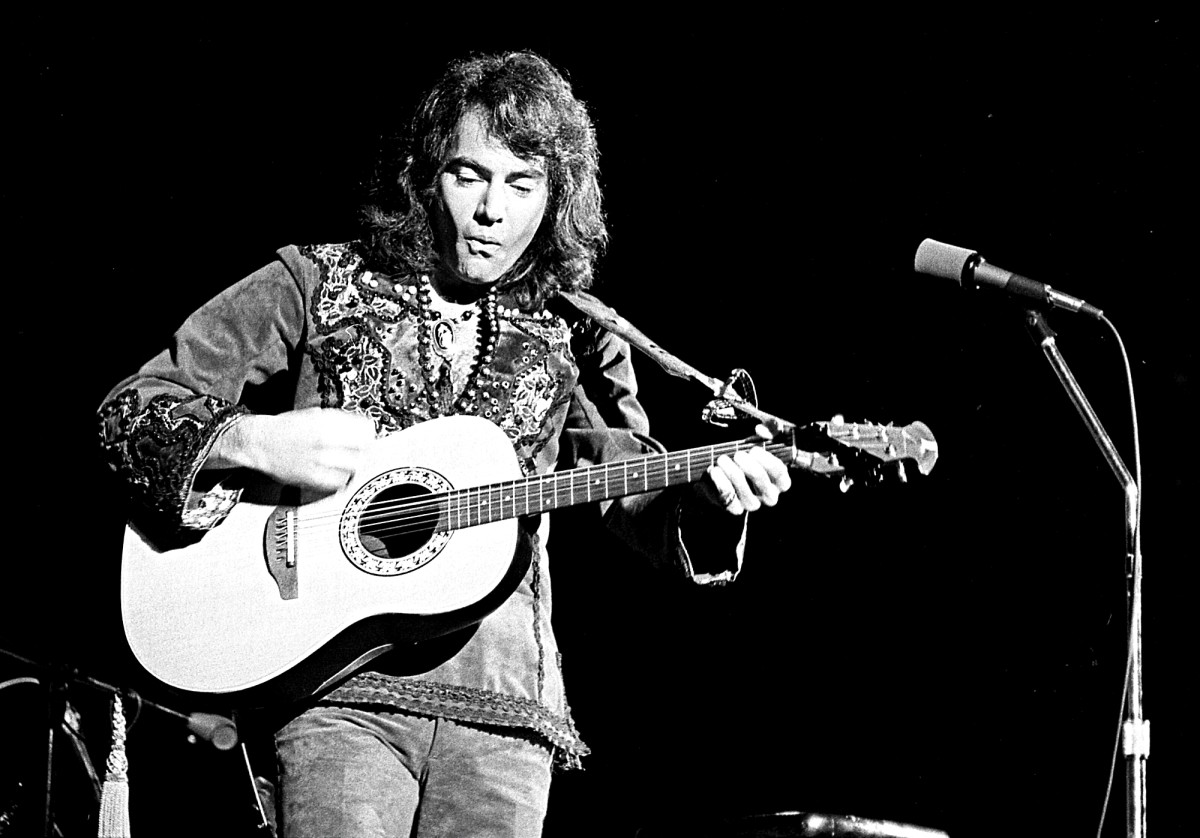
Neil Diamond’s Free Life is one of those hidden songs that never demanded attention, yet once heard closely, it reveals the searching heart beating underneath Tap Root Manuscript.
When people speak about Neil Diamond in 1970, the conversation almost always turns to the obvious landmarks: “Cracklin’ Rosie”, the sweep of ambition on Tap Root Manuscript, and the sense that he was moving beyond the boundaries of a hitmaker into something more expansive, more personal, and more daring. That is all true. But tucked inside that album is “Free Life”, a song that never became one of his signature radio staples and never built a chart legacy of its own. In some ways, that is exactly why it matters. It gives us Neil Diamond without the armor of a smash single. It lets us hear the reflective craftsman, the restless writer, and the man reaching for emotional and spiritual freedom in quieter terms.
Tap Root Manuscript was released in 1970 and became a major album moment for Diamond, reaching No. 13 on the Billboard album chart in the United States and No. 8 in the UK. The record is often remembered for its unusual structure, especially the second side’s African-flavored suite, and for the chart power of “Cracklin’ Rosie,” which became his first No. 1 pop hit in America. In the shadow of those larger events, “Free Life” remained an album track, and that fact has shaped its reputation ever since. It was not introduced to the public as a headline song. It had to survive on feeling alone.
And feeling, in truth, is what this song has in abundance. “Free Life” carries that unmistakable early-1970s Neil Diamond blend of longing, movement, and inward questioning. Even when his arrangements were polished, there was often something unsettled at the center of his best work, as though success itself had not answered the deeper questions. This song lives in that emotional space. The title suggests release, possibility, and maybe even a refusal to be trapped by expectation. But as with many Diamond songs, the emotional tone is richer than any simple declaration. Freedom here does not sound careless. It sounds earned, uncertain, and deeply human.
That is part of what makes the song so haunting within the context of Tap Root Manuscript. This was an album built during a period when Diamond was stretching artistically, no longer content to be judged only by the size of his singles. He was writing material that reached toward broader themes of identity, faith, heritage, and belonging. In that setting, “Free Life” feels less like a minor detour and more like an intimate chamber inside the album’s architecture. It speaks to the same urge that runs throughout the record: the need to search for something larger than applause.
Musically, the track fits the warm, carefully arranged sound world that Diamond and his collaborators were refining at the time. There is a melodic ease to it, but also a seriousness underneath. He had a gift for making songs feel immediately singable while still carrying a private ache, and “Free Life” belongs firmly to that tradition. It does not rely on the kind of gigantic hook that made “Sweet Caroline” or “Cracklin’ Rosie” unavoidable. Instead, it draws the listener in gradually. It asks for patience. It asks to be lived with. That may be why it has endured, quietly, among listeners who know the albums rather than only the hits.
There is also something revealing about its place in Diamond’s catalogue. By 1970, he was already a major star, yet songs like “Free Life” remind us that his artistry was never only about commercial instinct. He understood drama, yes. He understood how to write for the back rows, how to fill a room, how to make a chorus land. But he also understood subtle emotional weather. He knew that some songs are not there to conquer the charts. Some are there to deepen the portrait of the artist.
That is why this overlooked track still resonates. It catches Neil Diamond in a period of artistic transition, when the music was growing wider and the emotions more layered. It reflects the spirit of Tap Root Manuscript not through spectacle, but through sincerity. If the album’s biggest songs announced his power to the world, “Free Life” quietly revealed his interior life.
For listeners returning to Diamond’s early 1970s work, that makes the song more than a forgotten cut. It becomes a reminder that albums once held private treasures, songs that were not pushed to the front but stayed waiting for the patient listener. “Free Life” is one of those treasures. It may not have climbed the singles charts, but it carries something just as lasting: the sound of an artist looking past fame toward meaning, and leaving behind a song that still breathes with gentle, searching grace.
