
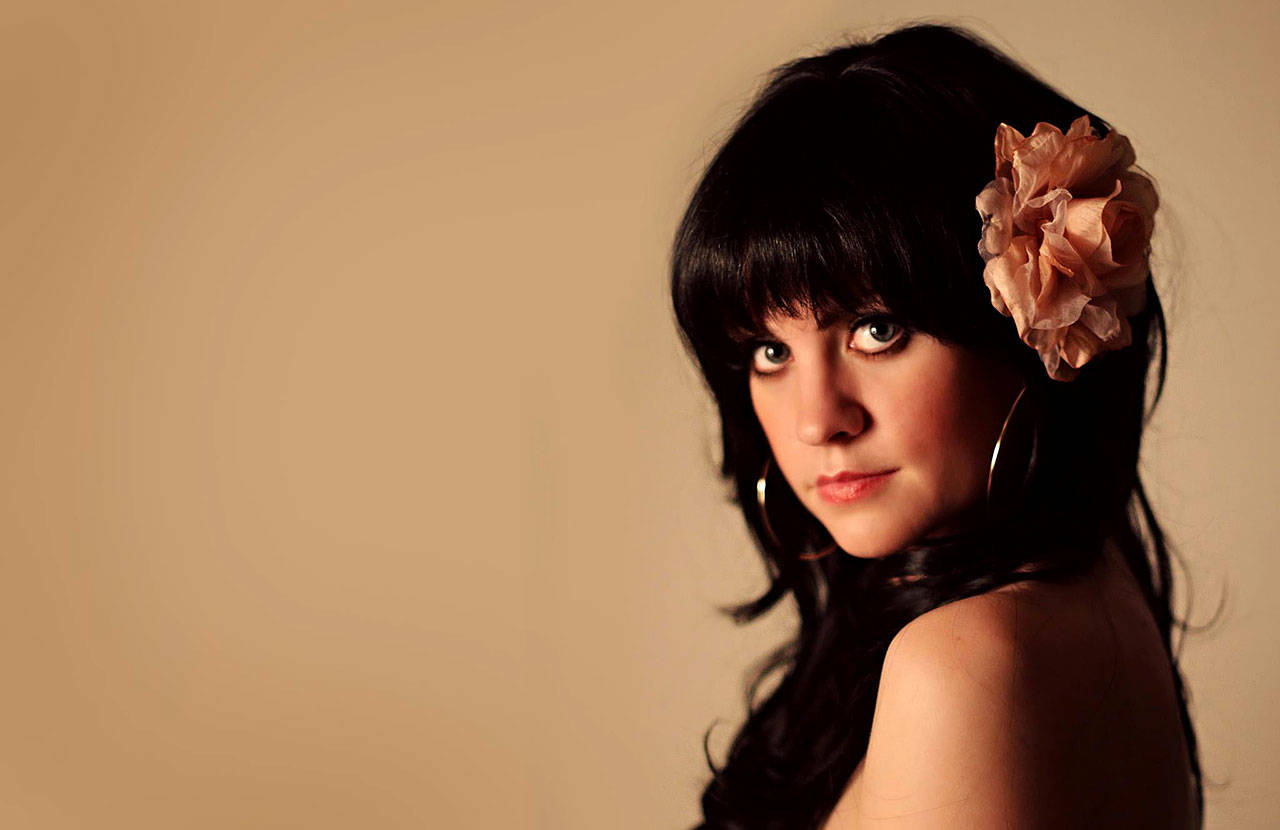
The Sweetest Gift is one of those rare Linda Ronstadt recordings that does not reach for grandeur; it wins the heart through stillness, grace, and the kind of harmony that feels almost sacred.
When The Sweetest Gift reached listeners in 1999 on Trio II, it was not promoted as a major hit single, and it did not become a Billboard chart song on its own. But the album that carried it was no small event. Trio II, the long-delayed reunion of Linda Ronstadt, Dolly Parton, and Emmylou Harris, climbed to No. 4 on Billboard’s Top Country Albums chart and No. 62 on the Billboard 200. That matters, because this song was never about commercial fireworks. It lived in a different place entirely: the quiet room, the late hour, the old memory, the kind of listening that asks for a little silence before it asks for applause.
There is something deeply moving about where this recording sits in Linda Ronstadt’s career. By the time Trio II arrived, she had already done what few singers in popular music history ever manage. She had conquered rock, country, pop, standards, Mexican traditional music, and torch songs, often sounding as if each style had belonged to her all along. Yet in The Sweetest Gift, there is no need to prove anything. No dramatic vocal climb. No overpowering arrangement. No attempt to turn tenderness into spectacle. Instead, what we hear is an artist secure enough to let emotion arrive in a whisper.
The Sweetest Gift itself comes from older country-gospel soil, a song usually credited to J.B. Coats. Long before Linda Ronstadt and her partners touched it, the song had already traveled through American sacred and roots traditions, carried by singers who understood that the strongest feeling in music is not always loud feeling. That history matters, because Trio II was built on reverence as much as performance. These were not three stars merely singing together for prestige. They were interpreters returning to songs that had shaped them, songs with weather on them, songs that had already lived a life before the studio microphones were switched on.
The story behind Trio II gives the song another layer of feeling. Much of the album had been recorded years earlier, in the 1990s, but business delays kept it from appearing when it should have. So when listeners finally heard these performances in 1999, there was already a sense of time having passed through them. That delay suits The Sweetest Gift almost perfectly. It sounds like something preserved rather than manufactured, something kept safe until the world was ready to receive it. In a catalog full of bright landmarks and famous singles, this track feels more like a candle than a spotlight.
What makes the performance so affecting is the blend. Linda Ronstadt, Dolly Parton, and Emmylou Harris each brought unmistakable voices into the room, but on songs like this, individuality becomes devotion. Their harmonies do not compete; they settle around one another with unusual patience. Ronstadt had one of the most commanding voices of her generation, but here she chooses softness, shape, and restraint. That decision is everything. It allows the song’s spiritual center to remain intact. Rather than overwhelm the material, she honors it.
The meaning of The Sweetest Gift lies in that humility. Like the finest old gospel songs, it values comfort over display and faith over ornament. It belongs to a tradition where the richest blessing is not measured by fame, wealth, or triumph, but by love received with gratitude. Even if a listener comes to it without any religious frame of mind, the emotional message still lands: some songs exist to soothe, to steady, to remind us that gentleness is not weakness. In that sense, The Sweetest Gift says something important about Linda Ronstadt as an interpreter. For all her extraordinary range and power, she always understood that singing is not only about being heard. It is also about knowing how to care for a song.
The arrangement supports that truth beautifully. There is no glossy overproduction, no heavy-handed attempt to modernize an old spiritual feeling. The instrumentation stays respectful and clear, leaving space for breath, phrasing, and the emotional texture of the voices themselves. That sparseness is part of why the song lingers. Many recordings impress for three minutes and disappear. This one seems to remain in the room after it is over, like a conversation not quite finished.
If Trio II proved anything, it was that the partnership between these three women had lost none of its grace. The album would later be recognized with major praise, and its version of After the Gold Rush went on to win a Grammy for Best Country Collaboration with Vocals. Yet one of the album’s deepest pleasures is found away from the obvious spotlight, inside the hush of The Sweetest Gift. It reminds us that some of the most lasting performances in Linda Ronstadt’s body of work are not the ones that dominated radio. Some are the ones that ask us to lean closer.
That is why the song still matters. Not because it was a chart giant. Not because it announced itself with drama. It matters because it preserves something increasingly rare in recorded music: patience, reverence, and emotional truth without exaggeration. In The Sweetest Gift, Linda Ronstadt and her collaborators do something unforgettable. They make a song feel less like a performance and more like an offering.
