A Working Man’s Anthem in a Glittered World
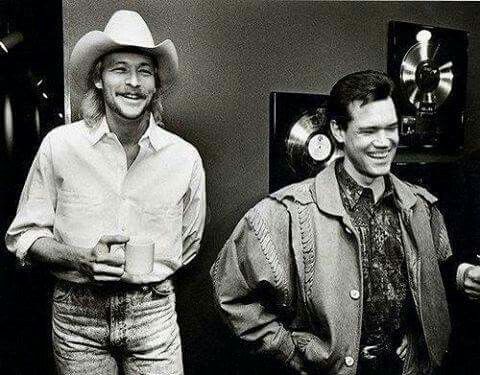
Better Class of Losers by Randy Travis is more than just a country hit — it’s a declaration of identity, a proud rejection of pretense in favor of the simple, honest life that built American country music. Released in 1991 as a single from the acclaimed album High Lonesome, the song climbed to No. 2 on the Billboard Hot Country Songs chart, cementing Travis’s reputation as the poetic voice of the working class at a time when the genre was beginning to flirt with glossier, more commercial sounds.
Written by Randy Travis and Alan Jackson, two masters of plainspoken truth, Better Class of Losers delivers a message that resonates far beyond its era. It’s a story told in the first person — a man weary of high-society hypocrisy who chooses to walk away from luxury, returning to the unvarnished simplicity of his roots. This isn’t rebellion for rebellion’s sake; it’s a reclamation of dignity. Every line cuts cleanly: “I’m tired of spending too much time on things that just don’t matter much.” In a few words, Travis captures the fatigue of anyone who’s ever felt out of place in a world built on shallow appearances.
The song’s brilliance lies in its balance of grit and grace. Musically, it’s a textbook example of neo-traditional country at its finest — fiddle and steel guitar leading a steady, mid-tempo rhythm that evokes both pride and melancholy. There’s no excess production, no pop polish. Every sound feels earned, every word weighted. Travis’s voice — deep, warm, and anchored in conviction — turns what could have been a simple protest into a statement of faith in the values of authenticity, humility, and self-respect.
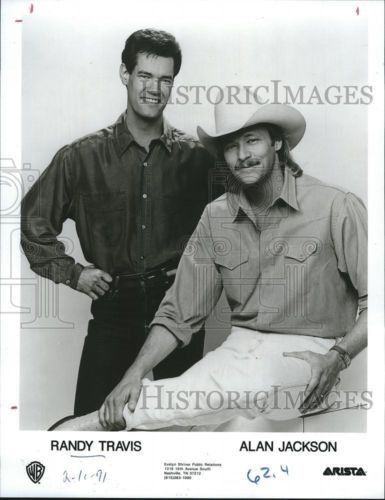
In the early 1990s, when country music was leaning toward crossover appeal, Better Class of Losers stood as a counterpoint — a quiet resistance wrapped in melody. It appealed not only to farmers, truckers, and small-town laborers who saw their lives reflected in its lyrics, but also to anyone disillusioned by materialism. The song became, in many ways, a cultural mirror, reflecting the tension between success and sincerity, between city lights and country roads.
The collaboration with Alan Jackson adds another layer of significance. Both men were emblematic of a generation determined to keep country grounded in truth. Together, they crafted a song that sounded like a conversation between two friends who’d had enough of pretending — who’d rather sit in a dusty bar than a velvet ballroom. That humility is the secret to its power.
Over three decades later, Better Class of Losers remains one of Randy Travis’s defining statements — not just a hit, but a moral compass. It speaks to the quiet strength of those who live without grandeur, who measure wealth not in possessions but in peace of mind.
In an age still dazzled by status and spectacle, the song endures as a timeless anthem for anyone who’s ever chosen real over rich, truth over comfort. Because in the end, as Travis reminds us with his steady voice and unshakable conviction, there’s no shame in wanting a better class of losers — only wisdom.
