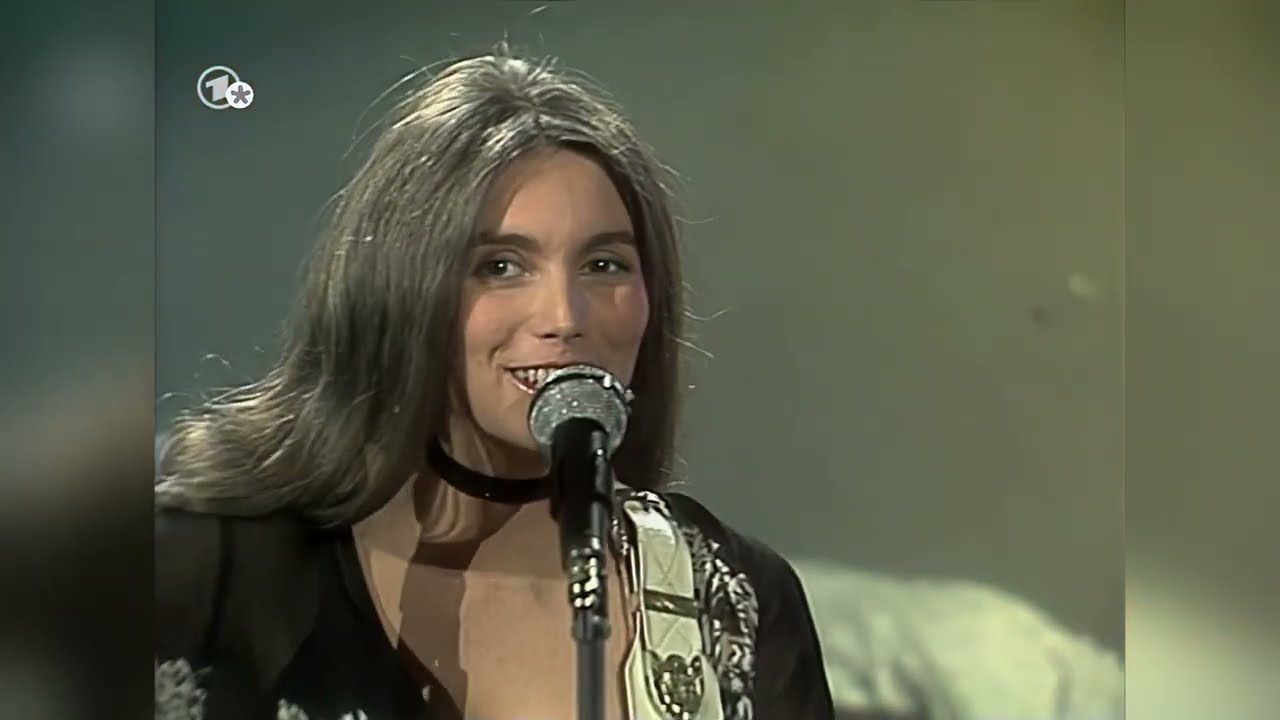
“When I Stop Dreaming” is heartbreak told as a nightly ritual—Emmylou Harris singing a vow to memory so tender it feels like it could outlast sleep itself.
“When I Stop Dreaming” has the rare kind of sorrow that doesn’t age; it simply changes rooms with you. Emmylou Harris recorded it for Luxury Liner, released December 28, 1976, placing the song right in the middle of a record that became her second consecutive No. 1 on Billboard’s Top Country Albums chart (and reached No. 21 on the Billboard 200). That’s the big-picture “ranking moment” around her version: not a single chasing radio, but an album that arrived as a statement—proud, traditional, and quietly fearless in its choices.
The song itself is older than her fame, older than the sleek mythology of “country-rock,” older than the idea that heartbreak needed to be clever to be believable. “When I Stop Dreaming” was written by Ira Louvin and Charlie Louvin—the Louvin Brothers, whose blood harmonies could make even a simple line feel like scripture. Their original recording was cut on May 25, 1955, and it became a major breakthrough: a Top 10 country hit, reaching No. 8 on Billboard’s country chart. If you want the behind-the-scenes heartbeat, the Library of Congress notes it was the Louvins’ first non-gospel song for Capitol, and that it showcased their “blood-harmony” sound so powerfully the nation was ready for it.
So when Emmylou sings “When I Stop Dreaming,” she isn’t borrowing a melody—she’s stepping into a lineage. And she treats it with the kind of care that made her an heir and not a tourist. On Luxury Liner, she’s surrounded by the lean brilliance of The Hot Band, and the album credits include a small constellation of backing vocalists—among them Dolly Parton, credited for backing vocals on the record. That detail matters, even when you don’t try to “spot” who’s singing what: it speaks to the album’s atmosphere—community, shared tradition, and voices gathered around songs that were already beloved before anyone called them “classics.”
The meaning of “When I Stop Dreaming” is devastating because it refuses drama. It doesn’t threaten revenge. It doesn’t bargain. It simply tells the truth that anyone who has lost love recognizes: the day might distract you, but the night will not. Dreams become the only place where the heart still gets its way—where the beloved returns without explanation, where the past doesn’t argue, where the body remembers what the mind tries to release. And then morning comes, and you’re left with that cruelest contrast: comfort that was real for a few minutes, followed by the ache of waking up alone.
In Emmylou Harris’s hands, that ache turns elegant. She doesn’t oversell it; she lets it hang in the air like cold breath. There’s a particular dignity to her reading—almost as if she’s saying: yes, this is what love can do to a person, and no, I won’t pretend I’m above it. That’s why her version feels so intimate even though it’s framed by a hugely successful album. The big numbers—No. 1 country album, major charting singles elsewhere on the record—fade into the background when this song comes on. What remains is the hush: the sensation of someone sitting beside you in the dark, admitting that the hardest part of heartbreak isn’t the leaving… it’s the way memory keeps showing up on schedule.
And perhaps that’s the final, lingering power of “When I Stop Dreaming.” It’s not only a song about love lost. It’s a song about love’s afterlife—how it keeps breathing in the places you can’t supervise: sleep, silence, the soft hours when you stop performing strength and simply feel what you feel. When Emmylou sings it, you don’t just hear a cover of the Louvin Brothers; you hear a hand reaching back through decades, holding on to a truth that never needed updating.
