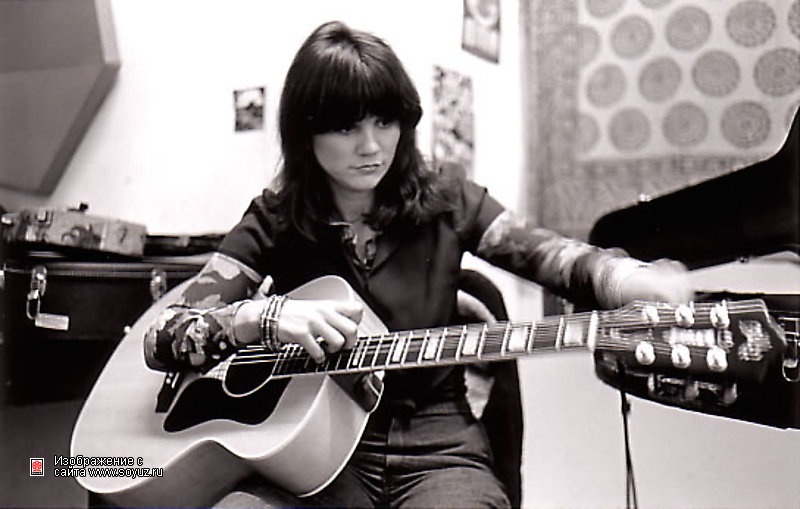
“Desperado” is a song about the cost of self-protection—how pride can look like strength until it turns into loneliness, and the only real courage left is letting love in.
When Linda Ronstadt sang “Desperado”, she didn’t just cover an Eagles deep cut—she helped turn it into a standard. Her recording was released on October 1, 1973 as part of her Asylum debut Don’t Cry Now, an album that became her first major commercial breakthrough on the label and eventually peaked at No. 45 on the Billboard 200. That date matters, because the Eagles’ own “Desperado” (written by Glenn Frey and Don Henley) had only just appeared earlier that same year on the album Desperado, released April 17, 1973—and crucially, it was never released as a single by the Eagles.
Ronstadt’s “at-release” chart story is unusual and very telling of how songs actually become famous. “Desperado” wasn’t pushed as a headline A-side in the U.S.; instead, it surfaced on a May 1974 single where “Colorado” was the A-side and “Desperado” was the B-side. That single’s measurable chart footprint belongs to “Colorado,” which reached No. 108 (a “Bubbling Under” placement beneath the Hot 100). In other words: Ronstadt’s “Desperado” didn’t enter the world as a charting smash. It entered the world as something more quietly powerful—an album performance that listeners carried with them, the way people carry a line of poetry that seems to explain their own life.
The emotional genius of “Desperado” is how gently it diagnoses a familiar human mistake: confusing distance with safety. The song speaks to someone who lives by a private rule—don’t need anyone, don’t owe anyone, don’t let anyone close enough to bruise you. The Western imagery isn’t decoration; it’s a mirror. A “desperado” isn’t only an outlaw on a horse—it’s any person who has made solitude into a habit and calls it independence so it hurts less.
This is where Linda Ronstadt changes the temperature of the song. The Eagles’ original has the tone of a late-night intervention—sympathetic, but still edged with masculine warning. Ronstadt makes it sound like tender insistence, as if the speaker isn’t scolding the lonely figure across the room, but reaching for them with both hands open. Her voice—clear, steady, unshowy—has a way of turning a moral into a personal plea. You don’t feel like you’re being instructed; you feel like you’re being understood.
And history backs up that intuition. In the Eagles’ own song documentation, Don Henley explicitly credited Ronstadt with helping to popularize “Desperado,” calling her version “poignant” and “beautiful.” That’s not a small compliment; it’s an admission that sometimes the “definitive” emotional reading of a song doesn’t come from its writers—it comes from the voice that reveals what the song was really saying all along.
Placed inside Don’t Cry Now, “Desperado” also functions like a quiet statement of identity. Ronstadt was stepping into a new chapter—new label, new collaborators, a widening audience—and she chose a song that’s essentially about the moment you stop pretending you’re fine. The album itself is built around careful choices and interpretive courage; it’s full of covers that she sings as if she wrote them in her own handwriting. “Desperado” is the one that feels like it’s looking straight at the listener’s defenses and naming them without cruelty.
That’s why her “Desperado” endures: it doesn’t glamorize loneliness, and it doesn’t punish it either. It simply tells the truth—softly, firmly—that the “queen of hearts” and the “queen of diamonds” aren’t the real gamble. The real gamble is whether you’ll keep riding alone long after the night has proven how cold it can get. In Linda Ronstadt’s voice, the song becomes a small mercy: a reminder that the most fearless thing a person can do is stop running—turn around—finally let the door open.
