A Lonely Wooden Heartbeat in the Whispering Pines
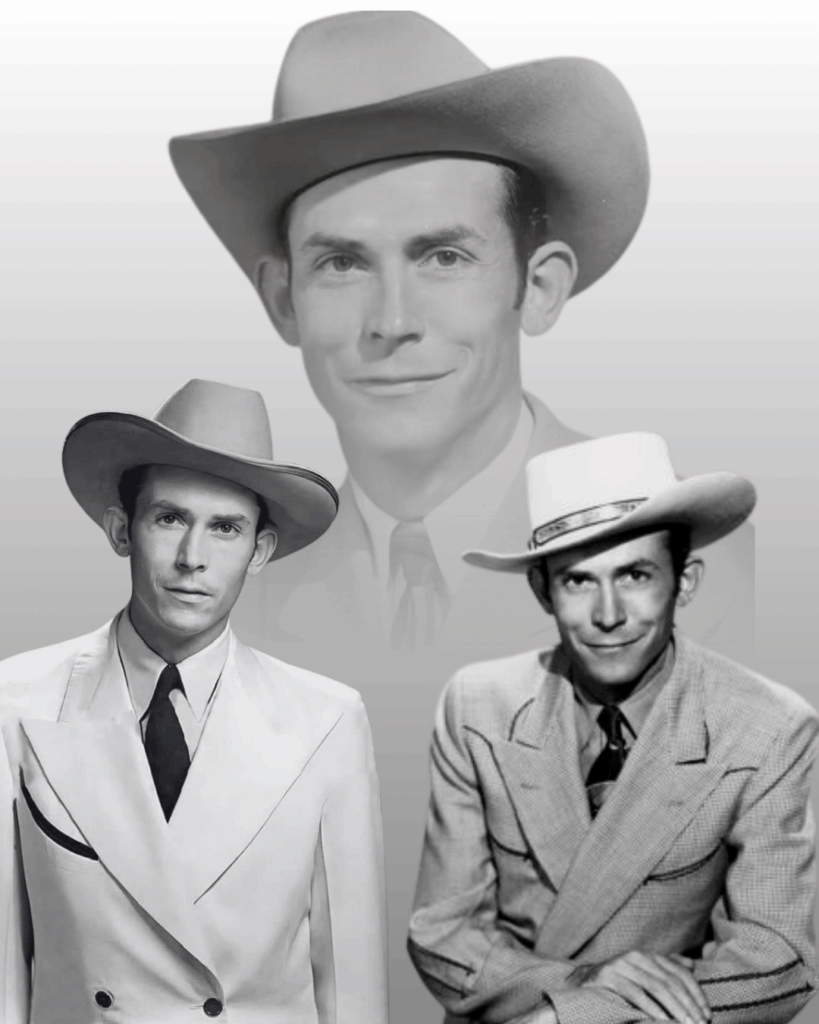
Upon its release in 1953, Kaw-Liga by Hank Williams became a poignant fixture on the country music charts, reaching number one and forever etching its haunting tale into the annals of musical lore. This track, part of Hank Williams’ posthumous album Memorial Album, stands as an enduring testament to his lyrical genius and emotional depth, even as it beckons listeners into a world where inanimate objects hold echoes of human longing.
The genesis of Kaw-Liga is deeply interwoven with the narrative artistry that defined Williams’ tragically short career. Co-written with Fred Rose, this song is both a celebration and lamentation of unrequited love, told through the metaphor of a wooden Indian statue named Kaw-Liga. The setting is an evocative one—a roadside shop where Kaw-Liga stands silent, his love forever unspoken for an Indian maid. This ingenious use of anthropomorphism reflects Williams’ ability to animate the inanimate, infusing everyday symbols with profound emotional resonance.
Musically, Kaw-Liga is characterized by its distinctive blend of traditional country instrumentation and rhythmic innovation. The steady beat mimics the stoic heart of the wooden figure, while the twang of guitars and gentle plucking of banjos echo the song’s rustic roots. Yet within this simplicity lies a rich tapestry of emotions—a dance between hope and despair that only Williams could so masterfully convey.
Lyrically, the song paints a vivid portrait of unattainable love. Kaw-Liga’s silent vigil is emblematic of a deeper human experience—the longing for connection and the fear of vulnerability. “Too stubborn to ever show a sign,” Williams sings, encapsulating the tragic irony that defines many a human heart. The repetition in its refrain underscores this tragic stasis, each chorus a reminder of Kaw-Liga’s—and indeed our own—unchanging fate in the face of emotional inertia.
In terms of cultural legacy, Kaw-Liga remains significant not merely as a chart-topping success but as an artistic achievement that transcends its era. Its enduring appeal lies in its universality; we all have stood silent before our desires at some point, paralyzed by fear or pride. In Kaw-Liga’s wooden stillness, audiences find a mirror reflecting their own reticent passions and unrealized dreams.
Moreover, this song epitomizes Hank Williams’ profound impact on music—a legend who transformed personal turmoil into universally relatable stories through his unparalleled songwriting prowess. As listeners return to this classic track decades later, they find solace and understanding in its familiar strains, each note resonating with the lonely heartbeat of Kaw-Liga himself.
In sum, Kaw-Liga stands as an enduring testament to both the brilliance and melancholy that defined Hank Williams’ legacy. Through its simple yet profound storytelling, it captures an emotional essence that continues to resonate with those who dare to listen beyond the surface—to hear the lonely wooden heartbeat beneath the whispering pines.
