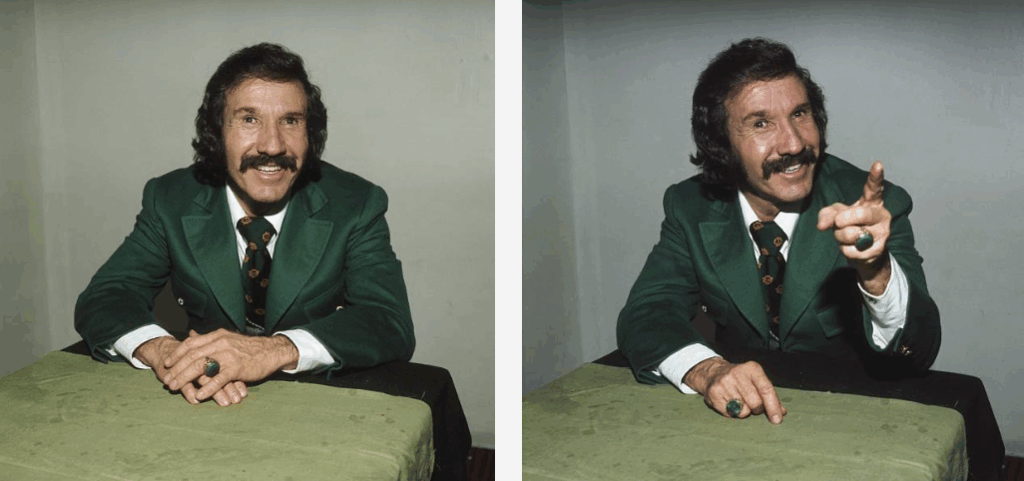
A Ballad of Swiftness and Solitude: Marty Robbins’ Ode to the Lone, Lethal Cowboy
In the annals of country music, Marty Robbins stands as a colossus — his voice weaving stories as wide and wild as the American frontier itself. Released in 1963 as part of the album Return of the Gunfighter, Robbins’ song “The Fastest Gun Around” encapsulates a blend of western mythos and intimate narrative that only he could conjure. During a time when country music was evolving, inching its way towards a more polished Nashville sound, Robbins steadfastly embraced the traditional storytelling ethos, marrying it with a cinematic flair that resonated deeply with audiences. Though not climbing to the top of the charts like some of his other hits, “The Fastest Gun Around” remains an essential piece in the tapestry of Robbins’ illustrious career.
Robbins, who had already cemented his reputation with the classic “El Paso” in 1959, was no stranger to spinning yarns of cowboys and desperados. Yet, “The Fastest Gun Around” is imbued with a particular poignancy and introspection, tracing the life of a solitary gunman whose prowess with a pistol becomes both his defining trait and his isolating burden. In this song, Robbins taps into the archetype of the lone cowboy — a figure both revered and pitied, adored yet feared. The lyrics tread delicately between admiration for his skill and a lamentation for the loneliness it breeds.
From its opening notes, “The Fastest Gun Around” sets an evocative scene — tumbleweeds rolling across dusty plains under an expansive sky — mirroring the vast solitude that defines its protagonist’s life. Musically, Robbins employs his signature blend of country and western balladry; a gentle acoustic strum interlaced with subtle orchestral touches provides an atmosphere that is both expansive and intimate. His voice, rich and resonant, carries an undertone of melancholy that invites listeners to ponder the deeper cost of such celebrated swiftness.
In examining the lyrics closely, one cannot ignore the weight they carry. The titular gunman is not merely a caricature of cowboy bravado but rather a deeply human figure grappling with existential questions — what does it mean to be defined by one’s lethal talent? And at what cost does fame come when it precludes meaningful human connection? These themes resonate far beyond their western setting, touching on universal truths about identity and isolation.
“The Fastest Gun Around” occupies a unique place within Robbins’ discography and within the broader context of country music history. It serves as both a homage to and a critique of the cowboy mythology that permeates American culture. During the early 1960s, as America grappled with rapid societal changes and questioned longstanding traditions, Robbins’ work provided listeners with both comfort in familiar narratives and an invitation to reflect on their complexities.
In revisiting this track today, one can appreciate its enduring legacy. The story it tells remains timeless — an exploration of how society elevates certain talents while often ignoring their personal costs. It’s not just about speed or skill; it’s about understanding that behind every legend lies an individual wrestling with their own demons.
Marty Robbins may have chronicled tales from an era long past, but through songs like “The Fastest Gun Around,” he captured eternal truths about human nature that continue to echo in our collective consciousness. As we listen now, we’re reminded not only of his artistic prowess but also of his profound insight into the human soul — forever painting portraits with his words that are vivid, haunting, and unmistakably real.
