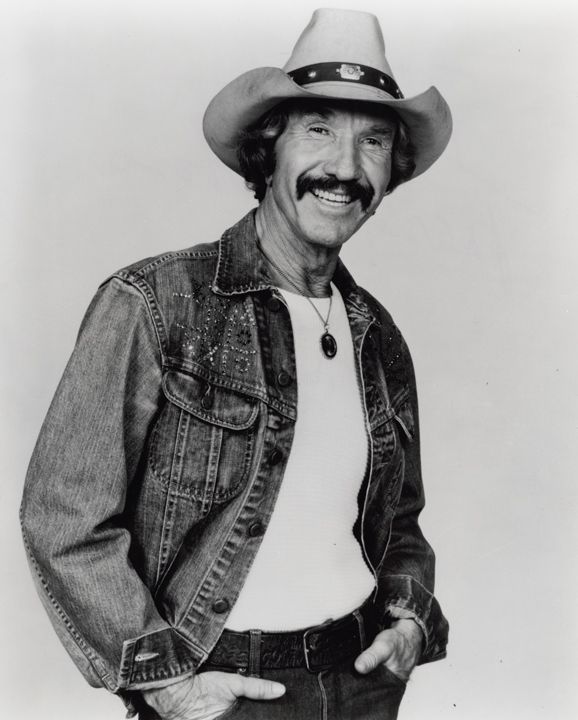
A Ballad of Fate and Sacrifice Echoing Across the Western Plains
In 1959, amidst the vibrant tapestry of American country music, Marty Robbins released his album Gunfighter Ballads and Trail Songs, a collection that would cement his legacy as a master storyteller. Within this collection lies “Utah Carol,” a haunting narrative that resonates with themes of sacrifice and destiny, capturing the rugged spirit of the Old West and the timeless human condition.
Marty Robbins, born in the desert landscape of Arizona, had an innate connection to the tales of cowboys and outlaws that defined the American frontier. His storytelling prowess came to fruition with Gunfighter Ballads and Trail Songs, an album that soared on the charts, reaching number six on the Billboard 200. Robbins’ ability to weave intricate narratives into his music gave birth to classics like “El Paso” and “Big Iron,” but it is in “Utah Carol” that we find a poignant exploration of loyalty and selflessness.
The song recounts a tragic incident on a cattle drive, where the eponymous character, Utah Carol, displays ultimate bravery. When a young girl is endangered by a stampeding herd, Utah Carol’s heroic attempt to save her leads to his own demise. In its essence, “Utah Carol” is not just a story about heroism but an exploration of fate’s cruel hand—a meditation on choices made in the blink of an eye and their indelible impact.
Lyrically, Robbins crafts a vivid picture with simple yet powerful language. The stark imagery of the plains, coupled with the visceral tension of the stampede, places listeners directly within the unfolding drama. This narrative style echoes traditional folk ballads, serving as both entertainment and moral tale—a hallmark of Robbins’ work that resonates deeply with country music aficionados.
Musically, “Utah Carol” aligns with Robbins’ signature blend of traditional country melodies infused with elements of Western balladry. The acoustic guitar serves as a gentle yet persistent heartbeat throughout the song, its simplicity allowing Robbins’ evocative vocals to take center stage. The mournful cadence mirrors the inevitability of tragedy in the story being told.
Within Robbins’ illustrious career, which saw him embrace various genres from rockabilly to Hawaiian music, Gunfighter Ballads and Trail Songs remains a pinnacle achievement. It showcases his ability to capture human emotion through storytelling—a skill that has influenced countless artists in country music’s lineage. “Utah Carol,” while perhaps overshadowed by more commercially successful tracks, stands as a testament to Robbins’ mastery in conveying profound themes through song.
The cultural significance of “Utah Carol” extends beyond its narrative; it exemplifies how country music serves as a repository for Americana—preserving stories that might otherwise be lost to time. In an era when America was grappling with rapid modernization post-World War II, such songs provided an anchor to its rugged past—a reminder of simpler times etched in hardship and valor.
Ultimately, “Utah Carol” leaves listeners with a lingering sense of melancholy and reflection. It invites contemplation on what it means to act with courage when faced with impossible odds—a lesson embedded within the annals of Western lore yet universally applicable across generations.
Thus, as we traverse Marty Robbins’ evocative landscapes through “Utah Carol,” we find ourselves confronted by timeless questions about love, sacrifice, and destiny—an enduring legacy from one of country music’s most revered storytellers.
